
What Happens After You Recycle?
Most of us know the basic routine: finish a drink, rinse the container, place it in the recycling bin, and move on.
But what actually happens after that?
Does everything in the recycling bin really get recycled? Where does it go? How are plastic, glass, paper, and metal separated? And what happens when something that cannot be recycled ends up in the bin?
The recycling process is much more complicated than simply collecting used materials and turning them into new products. Recycling involves transportation, sorting facilities, specialized machinery, quality checks, processing plants, manufacturers, and global markets for recycled materials.
Step 1: Your Recycling Is Collected
The recycling process begins when a collection truck picks up materials from homes, apartments, businesses, or community recycling locations.
Depending on where you live, recycling may be collected using either a single-stream or multi-stream system.
With single-stream recycling, materials such as paper, cardboard, plastic containers, metal cans, and sometimes glass are placed together in the same recycling bin.
Multi-stream systems require residents to separate certain materials before collection. Paper may go into one container, for example, while glass or plastics go into another.
Single-stream recycling is convenient for households, but it places more responsibility on recycling facilities because everything must later be separated.
After collection, the truck usually transports the materials to a recycling sorting facility.
Step 2: The Recycling Truck Arrives at a Sorting Facility
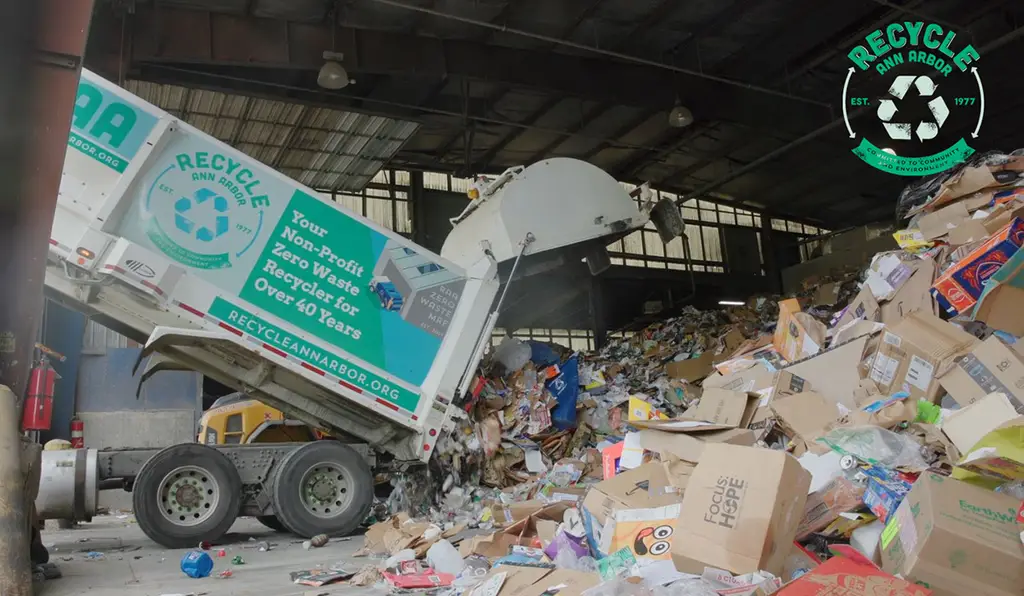
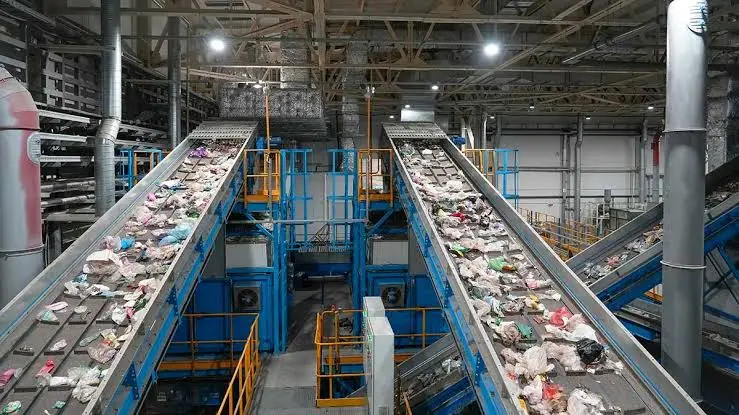
Many household recyclables are delivered to a facility commonly known as a Materials Recovery Facility, or MRF.
This is where mixed recycling begins its journey through a large automated sorting system.
A recycling facility may process enormous quantities of material every day.
The recycling is unloaded onto a tipping floor, where machines such as front loaders push the material toward conveyor belts.
From there, the recycling moves through multiple stages designed to separate different materials.
Step 3: Large Contaminants Are Removed
One of the first steps is removing objects that should never have been placed in the recycling bin.
Workers may manually remove items such as:
- Plastic bags
- Clothing
- Electrical cords
- Food waste
- Batteries
- Electronics
- Garden hoses
- Large pieces of metal
- Wood
- Non-recyclable plastics
These materials can create serious problems.
Plastic bags and cords, for example, can wrap around moving machinery and force an entire sorting line to shut down.
Batteries can be even more dangerous because damaged lithium-ion batteries may catch fire.
This is why putting incorrect materials in a recycling bin can affect much more than one household.
Step 4: Cardboard and Paper Are Separated
After large contaminants are removed, the remaining material moves through specialized sorting equipment.
Large rotating screens or discs may help separate flat materials such as cardboard and paper from heavier containers.
Cardboard often travels across the top of rotating discs while smaller materials fall through openings.
Different types of paper can then be sorted further depending on the recycling facility.
Paper products may include:
- Corrugated cardboard
- Office paper
- Newspapers
- Magazines
- Paper packaging
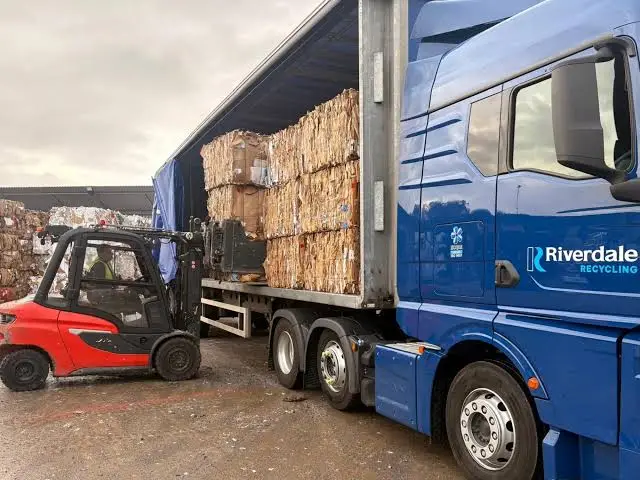
Once sorted, these materials are often compressed into large bales.
The bales are then sold and transported to paper mills.
Step 5: Metal Is Removed
Metal is one of the easiest materials to separate mechanically.
Steel and other ferrous metals can be removed using powerful magnets.
As recyclable materials move along a conveyor belt, magnets attract steel cans and other magnetic objects.
Aluminum requires a different technology.
Because aluminum is not magnetic, many recycling facilities use equipment known as an eddy current separator.
This system creates a magnetic field that produces an electrical current inside aluminum objects.
The interaction causes aluminum cans to be pushed away from the other materials.
It looks almost as though the cans are jumping off the conveyor belt.
Step 6: Plastics Are Sorted
Plastic recycling is one of the most complicated parts of the process.
There are many different types of plastic, and they cannot always be recycled together.
Plastic containers are usually identified according to their resin type.
Modern recycling facilities frequently use optical sorting systems.
These machines shine near-infrared light onto moving objects. Different plastics reflect the light differently, allowing sensors to identify certain materials.
Compressed air jets then push specific plastics into separate sorting areas.
Common recyclable plastics may include PET, often used for beverage bottles, and HDPE, commonly used for detergent bottles and milk containers.
However, accepted plastics vary significantly between recycling programs.
The recycling symbol on an item does not automatically mean your local recycling facility accepts it.
Step 7: Glass Is Separated
Glass recycling has its own challenges.
During collection and sorting, glass containers often break.
The broken pieces travel through screens and other equipment designed to remove them from the remaining recycling stream.
Glass may then be separated by color or sent through additional cleaning processes.
Once processed, recycled glass becomes small pieces known as cullet.
Cullet can be melted and used to manufacture new glass bottles, jars, fiberglass insulation, or other products.
One major advantage of glass is that it can potentially be recycled repeatedly without losing many of its basic material properties.
Step 8: Materials Are Compressed Into Bales
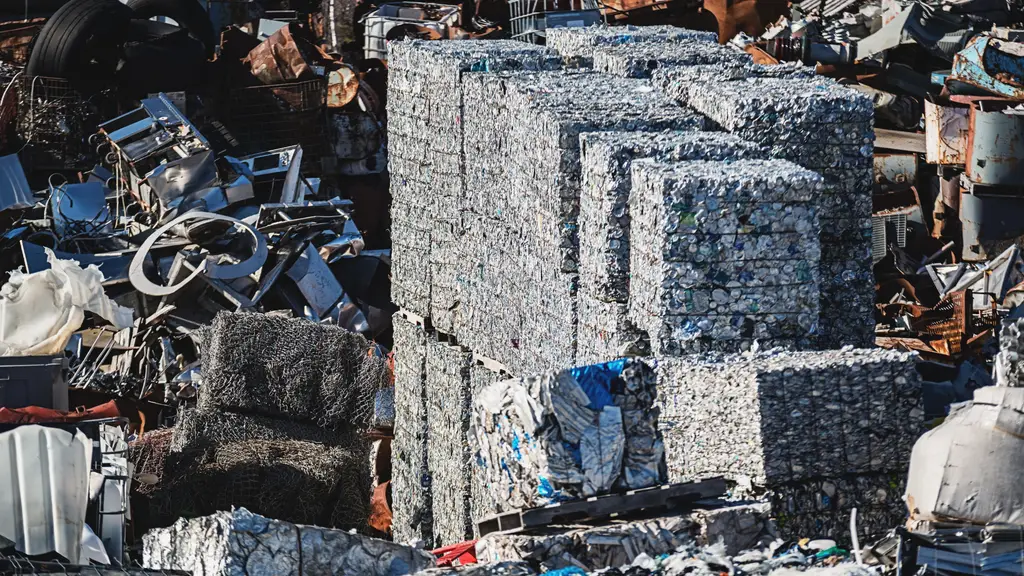
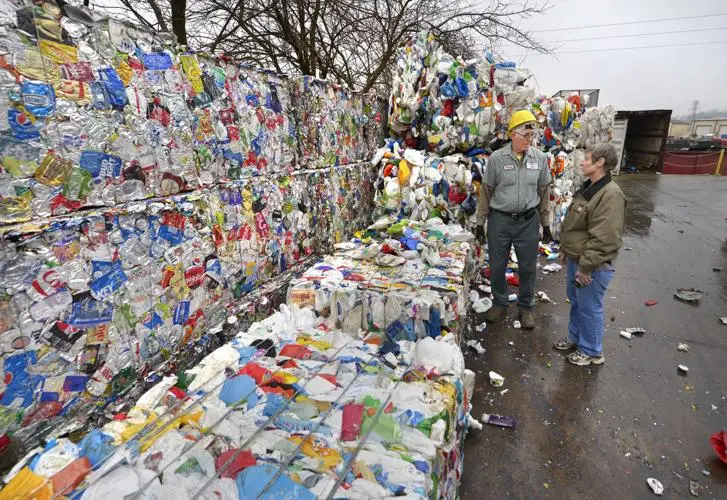
After materials are separated, many are compressed into large rectangular blocks known as bales.
A bale may contain hundreds or even thousands of compressed containers.
Common recycling bales include:
- Cardboard
- Mixed paper
- Aluminum cans
- Steel cans
- PET plastic
- HDPE plastic
Baling makes the materials easier and cheaper to store and transport.
The recycling facility then sells these materials to companies that process them into usable raw materials.
At this point, your recycled bottle, can, or cardboard box may travel hundreds or even thousands of miles before it becomes another product.
What Happens to Recycled Paper?
Paper and cardboard are typically transported to a paper mill.
The material is mixed with water to create a pulp.
Machines help separate paper fibers from contaminants such as tape, glue, plastic coatings, staples, and other unwanted materials.
The pulp may also be cleaned or de-inked.
After processing, the fibers are spread into thin sheets, pressed, and dried.
Recycled paper fibers can then become products such as:
- Cardboard boxes
- Paper bags
- Packaging
- Toilet paper
- Paper towels
- Newspapers
- Office paper
However, paper cannot usually be recycled forever.
Each recycling cycle shortens and weakens the paper fibers.
Eventually, new fibers must be added to maintain strength.
What Happens to Aluminum Cans?
Aluminum is one of the most valuable recyclable materials.
Collected aluminum is transported to a processing facility where it is cleaned, shredded, and melted.
The molten aluminum may then be formed into large blocks or sheets.
Manufacturers can use this recycled aluminum to create new beverage cans, automobile components, building materials, and many other products.
Aluminum can be recycled repeatedly while maintaining much of its original quality.
Producing aluminum from recycled material also generally requires far less energy than producing aluminum from newly mined raw materials.
What Happens to Steel Cans?
Steel cans are cleaned and processed at metal recycling facilities.
The steel may be shredded and melted in large furnaces.
Once melted, it can be used to manufacture new steel products.
Recycled steel may eventually become:
- New cans
- Construction materials
- Appliances
- Automotive parts
- Tools
Because steel maintains useful properties after recycling, it is widely reused throughout manufacturing industries.
What Happens to Plastic Bottles?
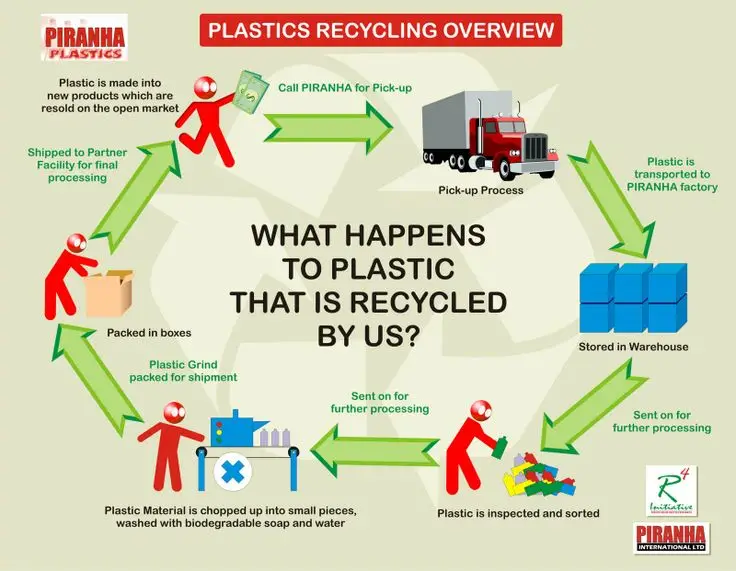
After plastics are sorted by type, they are usually transported to a plastic recycling facility.
The plastic is cleaned to remove labels, glue, food residue, and other contaminants.
It is then shredded into small flakes.
These flakes may go through additional separation and washing steps.
Once clean, the plastic can be melted and turned into small pellets.
Manufacturers purchase these pellets as raw material.
Depending on the plastic type and quality, recycled plastic may become:
- New bottles
- Food packaging
- Carpet fibers
- Clothing
- Outdoor furniture
- Storage containers
- Plastic lumber
- Automotive components
Unlike aluminum or glass, many plastics experience some reduction in quality after repeated recycling.
This is sometimes called downcycling.
Instead of becoming another identical bottle, the material may eventually be used in a lower-grade product.
What Happens to Glass Bottles?
Recycled glass is usually crushed into cullet.
The cullet is cleaned and separated from contaminants such as ceramics, metals, and plastic.
Manufacturers mix recycled cullet with other glass-making ingredients and heat the mixture inside a furnace.
The molten glass can then be formed into new bottles or jars.
Using recycled glass can reduce the amount of newly mined raw materials required for glass manufacturing.
Does Everything in the Recycling Bin Get Recycled?
Unfortunately, no.
Not everything placed in a recycling bin successfully becomes a new product.
There are several reasons.
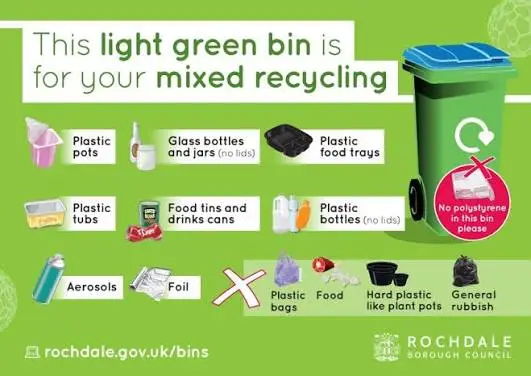
Some items may not be recyclable in a particular community.
Others may be too contaminated with food, grease, or other materials.
Some materials may also be technically recyclable but not economically practical to process in a certain region.
Recycling programs depend on markets.
If manufacturers are unwilling to purchase certain recycled materials, recycling facilities may have limited options for what they can do with them.
What Is Recycling Contamination?
Contamination occurs when incorrect materials or heavily soiled items are mixed with recyclable materials.
Common examples include:
- Food-covered containers
- Plastic bags
- Disposable diapers
- Electronics
- Batteries
- Garden hoses
- Clothing
- Ceramics
- Broken household objects
Contamination can lower the value of recycled materials and make sorting more difficult.
In severe cases, an entire batch of material may become unsuitable for recycling.
One of the most helpful things consumers can do is follow their local recycling rules rather than assuming every item with a recycling symbol belongs in the recycling bin.
Should You Wash Containers Before Recycling?
Containers usually do not need to be perfectly clean.
However, removing large amounts of food or liquid is a good idea.
A quick rinse is normally enough for many containers.
For example, you generally do not need to scrub a jar until it looks new.
Simply emptying it and rinsing away major food residue can help reduce contamination.
Local guidelines should always take priority because requirements vary between recycling programs.
What About Plastic Bags?
Plastic shopping bags are a major problem for many curbside recycling facilities.
Even when the plastic itself is recyclable, flexible bags can wrap around sorting equipment.
Workers sometimes have to stop machinery to cut tangled plastic away from rotating components.
Many grocery stores and retailers operate separate plastic film collection programs.
When these programs are available, they may accept items such as shopping bags, bread bags, produce bags, and certain types of plastic film.
These materials should normally remain separate from curbside recycling unless your local program specifically says otherwise.
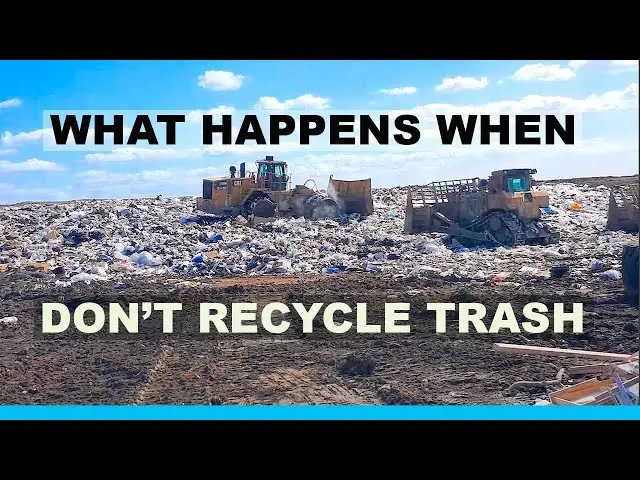
What Happens to Items That Cannot Be Recycled?
Non-recyclable materials removed at sorting facilities are usually sent for disposal.
Depending on the region, they may go to a landfill or a waste-to-energy facility.
This transportation and additional sorting costs money.
That is another reason incorrect items in recycling bins can make recycling programs less efficient.
Is Recycling Actually Worth It?
Recycling has real environmental benefits, but those benefits vary by material.
Recycling aluminum, steel, cardboard, and certain types of paper often provides significant advantages because these materials have established recycling markets.
Glass can also be effectively recycled when collection and processing systems are available.
Plastic recycling is more complicated because plastic includes many different materials with different chemical properties.
Some plastics have strong recycling markets, while others are difficult or expensive to process.
Recycling should therefore be viewed as one part of a larger waste-reduction strategy.
Recycling vs. Reusing
Recycling is useful, but reuse can sometimes be even better.
Recycling requires trucks, sorting equipment, factories, electricity, and transportation.
Reusing an existing product may avoid much of that additional processing.
For example, a reusable water bottle may replace hundreds of disposable bottles over its lifetime.
Similarly, reusable shopping bags, storage containers, repairable electronics, and refillable products can reduce waste before recycling even becomes necessary.
The Waste Hierarchy
Many environmental programs encourage a hierarchy of waste management.
A simplified version looks like this:
Reduce.
Reuse.
Recycle.
Recover energy.
Dispose.
Reducing waste is usually the first priority because an item that is never produced does not need to be transported, recycled, or discarded.
Reuse extends the useful life of existing products.
Recycling becomes valuable when an item can no longer be reused.
Common Recycling Mistakes
One of the biggest recycling mistakes is known as wishcycling.
Wishcycling happens when someone places an item in the recycling bin because they hope it can be recycled.
Unfortunately, adding questionable materials can create additional contamination.
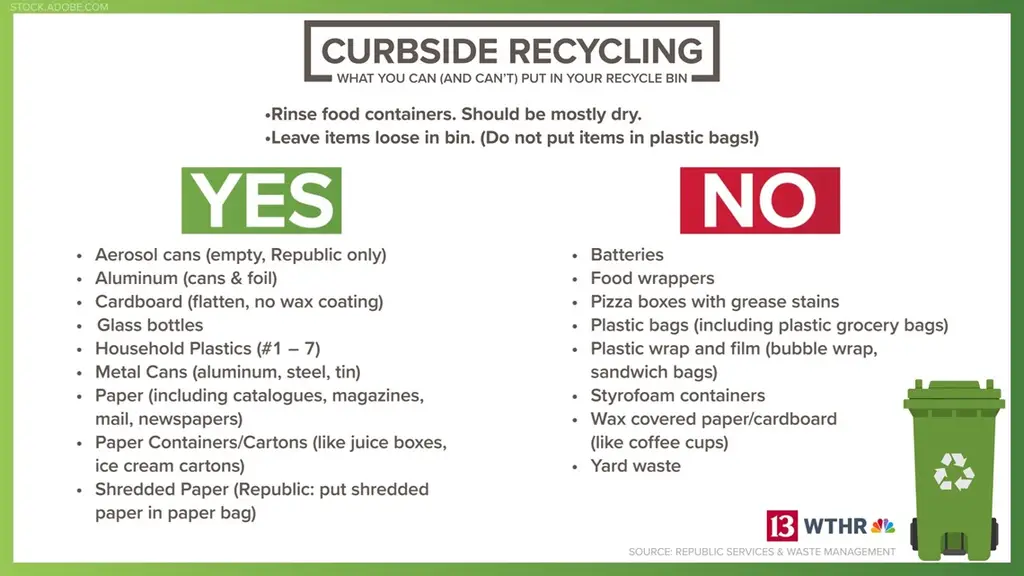
Other common mistakes include placing recyclables inside plastic bags, recycling containers filled with food, putting batteries in household recycling bins, and assuming recycling rules are identical everywhere.
The best approach is simple: when you’re unsure, check your local recycling program.
What Does the Recycling Symbol Really Mean?
The triangular symbol with a number commonly found on plastic products is often misunderstood.
The number identifies the type of plastic resin used to manufacture the product.
It does not necessarily mean the item is accepted by your recycling program.
A container marked with a recycling symbol may still need to go in the regular trash depending on local recycling capabilities.
How You Can Recycle Better
You don’t need to become a recycling expert.
A few simple habits can significantly improve the quality of recyclable materials:
- Learn what your local recycling program accepts.
- Empty containers before recycling them.
- Remove excessive food residue.
- Keep plastic bags out of curbside recycling unless specifically accepted.
- Never place batteries or electronics into normal recycling bins.
- Keep recyclables loose unless your local program requires bags.
- Avoid placing questionable items in the recycling bin simply because you hope they are recyclable.
Correct recycling is more useful than recycling more items incorrectly.
Final Thoughts
So what happens after you recycle?
Your materials may travel through one of the most advanced sorting systems in modern waste management.
Conveyor belts, magnets, optical scanners, rotating screens, compressed air systems, and human workers separate enormous quantities of mixed materials.
Paper becomes pulp.
Aluminum is melted.
Steel is processed into new metal.
Glass becomes cullet.
Plastic is washed, shredded, and transformed into pellets.
Eventually, some of these materials return to stores as completely new products.
But recycling is not automatic.
The system works best when consumers put the correct materials into the recycling bin, manufacturers use recycled materials in new products, and communities maintain reliable collection and processing systems.
The next time you drop a bottle, can, or cardboard box into the recycling bin, remember that it may only be the beginning of a surprisingly long journey.
And while recycling is important, reducing waste and reusing products whenever possible can make an even bigger difference.
READ ALSO: How Your Financial Choices Impact the Environment?
