
How to start a compost pile at home?
Composting is one of the easiest and most environmentally friendly ways to reduce household waste while creating nutrient-rich soil for your garden. Whether you have a large backyard or a small outdoor space, a compost pile can turn kitchen scraps and yard waste into valuable organic fertilizer.
What Is Composting?
Composting is the natural process of breaking down organic materials such as food scraps, leaves, grass clippings, and other biodegradable waste into a dark, crumbly material called compost.
Compost improves soil health by:
- Adding nutrients
- Improving soil structure
- Increasing water retention
- Supporting beneficial microorganisms
- Reducing landfill waste
Benefits of Starting a Compost Pile
Environmental Benefits
- Reduces household waste
- Lowers methane emissions from landfills
- Decreases the need for chemical fertilizers
- Helps recycle organic materials naturally
Gardening Benefits
- Improves plant growth
- Enhances soil fertility
- Reduces soil erosion
- Encourages earthworms and beneficial microbes
Financial Benefits
- Saves money on fertilizers
- Reduces garbage disposal costs
- Produces free soil amendments
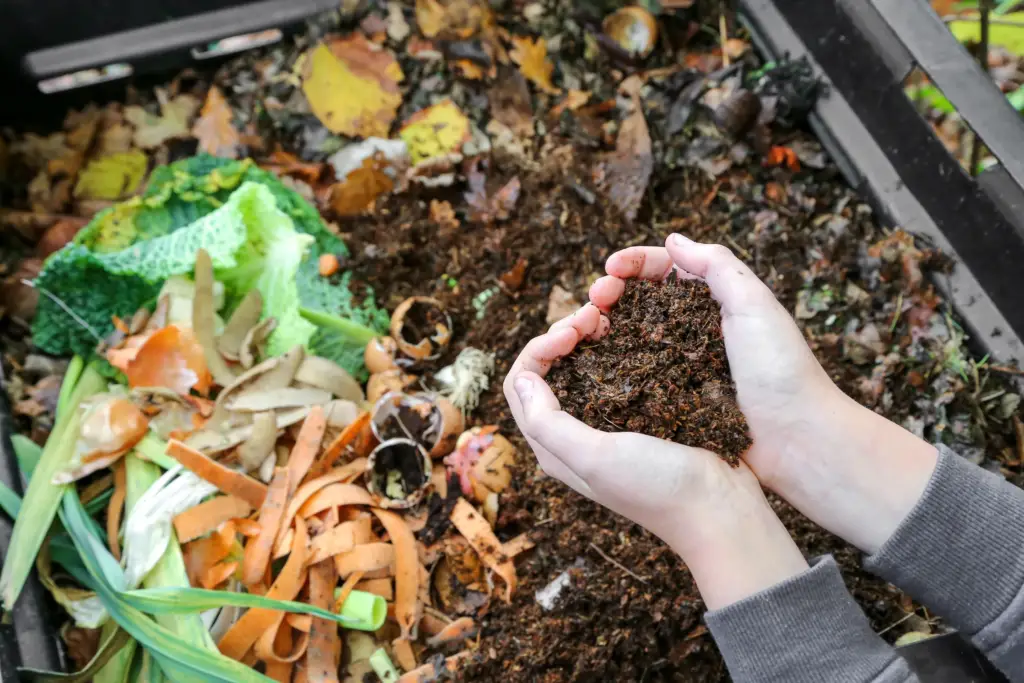
What You Need to Start a Compost Pile
Starting a compost pile requires only a few basic components:
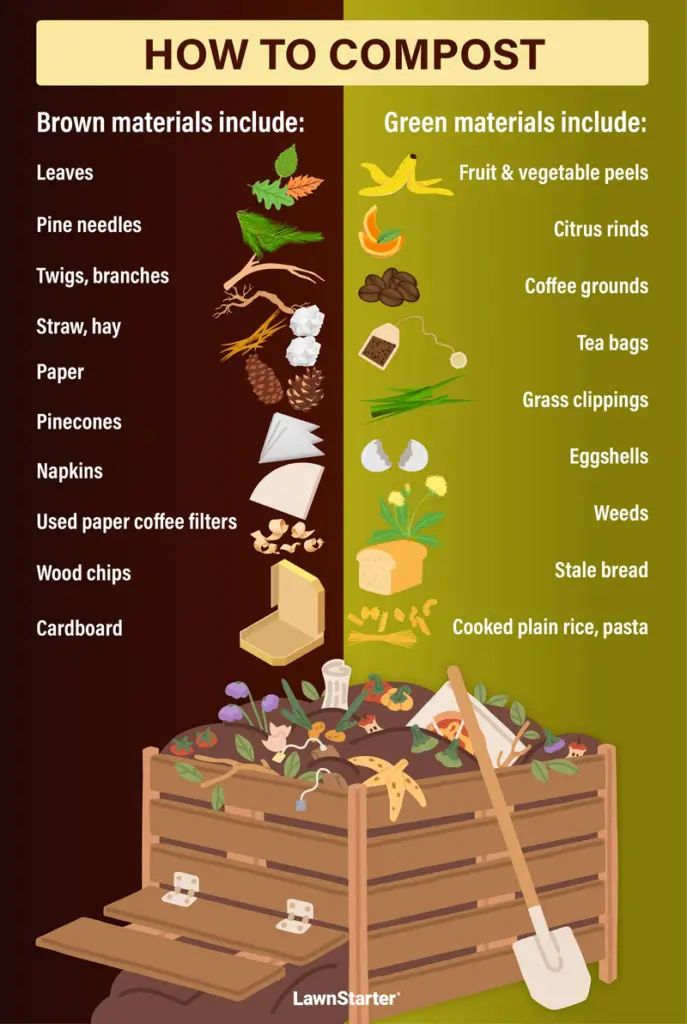
Green Materials (Nitrogen-Rich)
These provide protein for microorganisms.
Examples:
- Fruit scraps
- Vegetable scraps
- Coffee grounds
- Tea bags
- Fresh grass clippings
- Plant trimmings
Brown Materials (Carbon-Rich)
These provide energy and structure.
Examples:
- Dry leaves
- Straw
- Cardboard
- Newspaper
- Wood chips
- Paper towels
Water
Moisture helps microorganisms thrive.
Oxygen
Turning the pile introduces air and speeds decomposition.
Choosing the Right Location
Select a location that is:
- Well-drained
- Partially shaded
- Easily accessible year-round
- Close to a water source
Avoid:
- Areas that flood
- Directly against building foundations
- Completely enclosed spaces with poor airflow
Step-by-Step: How to Start a Compost Pile
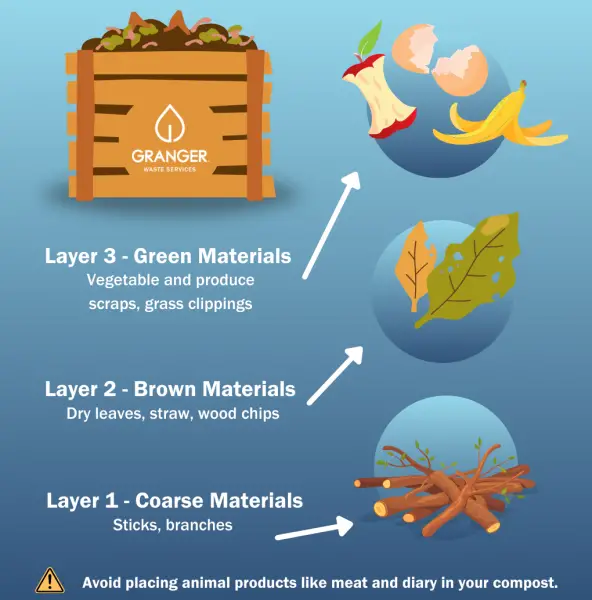
Step 1: Create a Base Layer
Start with coarse materials such as:
- Small branches
- Twigs
- Straw
This improves airflow at the bottom.
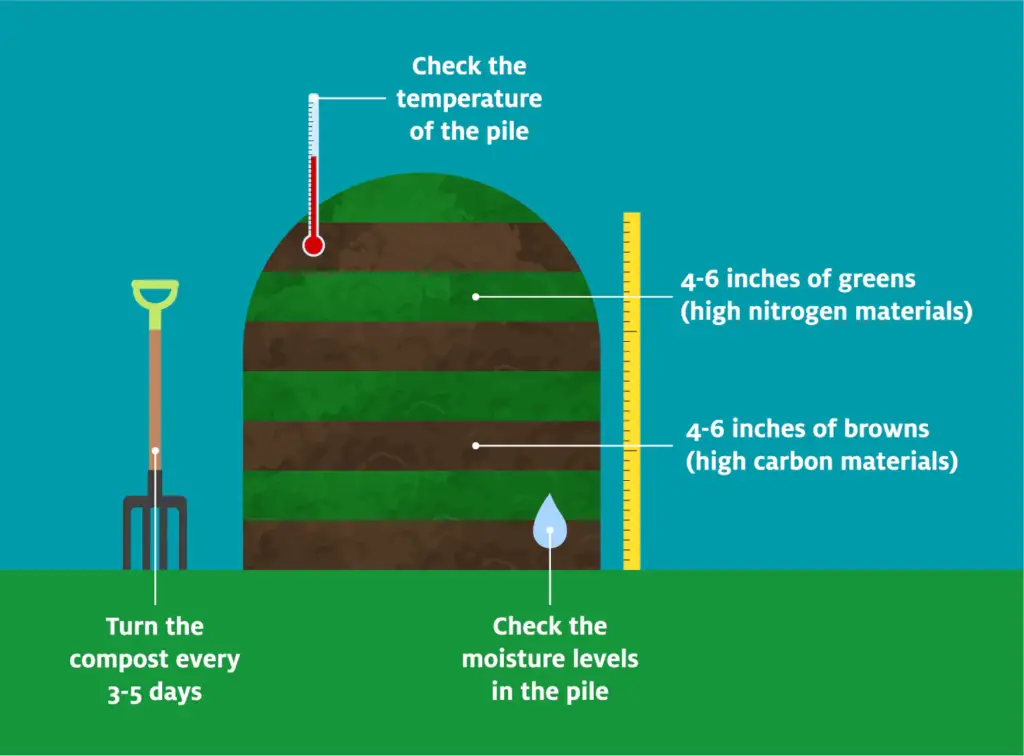
Step 2: Add Brown Materials
Create a layer approximately 4–6 inches thick using:
- Dry leaves
- Shredded cardboard
- Newspaper
Step 3: Add Green Materials
Add kitchen scraps and fresh yard waste.
Examples:
- Fruit peels
- Vegetable scraps
- Coffee grounds
Step 4: Repeat Layers
Continue alternating:
- Browns
- Greens
- Browns
- Greens
Aim for roughly:
3 parts brown materials to 1 part green materials
Step 5: Add Water
The pile should feel like a wrung-out sponge.
Too dry:
- Decomposition slows
Too wet:
- Odors develop
Best Materials to Compost
Excellent Compost Ingredients
| Material | Compostable |
|---|---|
| Fruit scraps | Yes |
| Vegetable scraps | Yes |
| Coffee grounds | Yes |
| Tea leaves | Yes |
| Eggshells | Yes |
| Dry leaves | Yes |
| Grass clippings | Yes |
| Cardboard | Yes |
| Newspaper | Yes |
| Wood shavings | Yes |
What NOT to Compost
Avoid these materials:
| Material | Reason |
|---|---|
| Meat | Attracts pests |
| Fish | Strong odors |
| Dairy products | Pest problems |
| Grease and oils | Slow decomposition |
| Pet waste | Can contain pathogens |
| Diseased plants | May spread disease |
| Treated wood | Contains chemicals |
| Coal ash | Harmful substances |
Maintaining Your Compost Pile
- Turn the Pile Regularly
Use a pitchfork or shovel.
Turn:
- Every 1–2 weeks for faster composting
- Monthly for slower composting
Benefits:
- Adds oxygen
- Prevents odors
- Speeds decomposition
- Monitor Moisture
Ideal compost should be:
- Damp but not soaked
- Similar to a squeezed sponge
- Check Temperature
Active compost piles often reach:
- 120°F–160°F (49°C–71°C)
Heat indicates healthy microbial activity.
Common Compost Problems and Solutions
Bad Smell
Cause:
- Too many greens
- Excess moisture
Solution:
- Add dry leaves
- Add shredded cardboard
- Turn the pile
Compost Too Dry
Cause:
- Lack of moisture
Solution:
- Water lightly
- Add fresh greens
Pile Not Heating Up
Cause:
- Insufficient nitrogen
- Pile too small
Solution:
- Add kitchen scraps
- Add grass clippings
- Increase pile size
Attracting Pests
Cause:
- Meat or dairy in pile
- Exposed food scraps
Solution:
- Bury food scraps in the center
- Avoid prohibited materials
How Long Does Composting Take?
The timeline depends on management:
| Method | Time |
|---|---|
| Hot composting | 1–3 months |
| Regular composting | 4–8 months |
| Passive composting | 1–2 years |
Frequent turning speeds up the process significantly.
Signs Your Compost Is Ready
Finished compost should be:
- Dark brown or black
- Crumbly texture
- Earthy smell
- Cool to the touch
You should not easily recognize the original materials.
How to Use Finished Compost
- Garden Beds
Mix into soil before planting.
- Vegetable Gardens
Apply around vegetables as a nutrient boost.
- Lawn Care
Spread a thin layer across the lawn.
- Potted Plants
Mix with potting soil to improve growth.
- Trees and Shrubs
Use as mulch around the base.
Compost Pile vs Compost Bin
| Feature | Compost Pile | Compost Bin |
|---|---|---|
| Cost | Very low | Moderate |
| Capacity | Large | Limited |
| Appearance | Less tidy | More attractive |
| Pest Control | Moderate | Better |
| Maintenance | Easy | Easy |
| Best For | Large yards | Small yards |
Pros and Cons of Home Composting
Pros
- Reduces household waste
- Produces free fertilizer
- Improves soil quality
- Environmentally friendly
- Easy to start
- Saves money
Cons
- Requires occasional maintenance
- Takes time to produce compost
- Can attract pests if managed poorly
- May develop odors if unbalanced
Final Review
Starting a compost pile at home is one of the simplest ways to create nutrient-rich soil while reducing waste. A successful compost pile relies on balancing green and brown materials, maintaining proper moisture, and providing adequate airflow. With minimal effort and regular maintenance, most homeowners can produce high-quality compost within a few months.
For beginners, a simple backyard pile made from leaves, kitchen scraps, and yard waste is often the easiest and most cost-effective way to get started. Once established, a compost pile becomes a valuable source of free, organic soil enrichment for gardens, lawns, and landscaping.
READ ALSO: Pros and Cons of Solar Energy
