
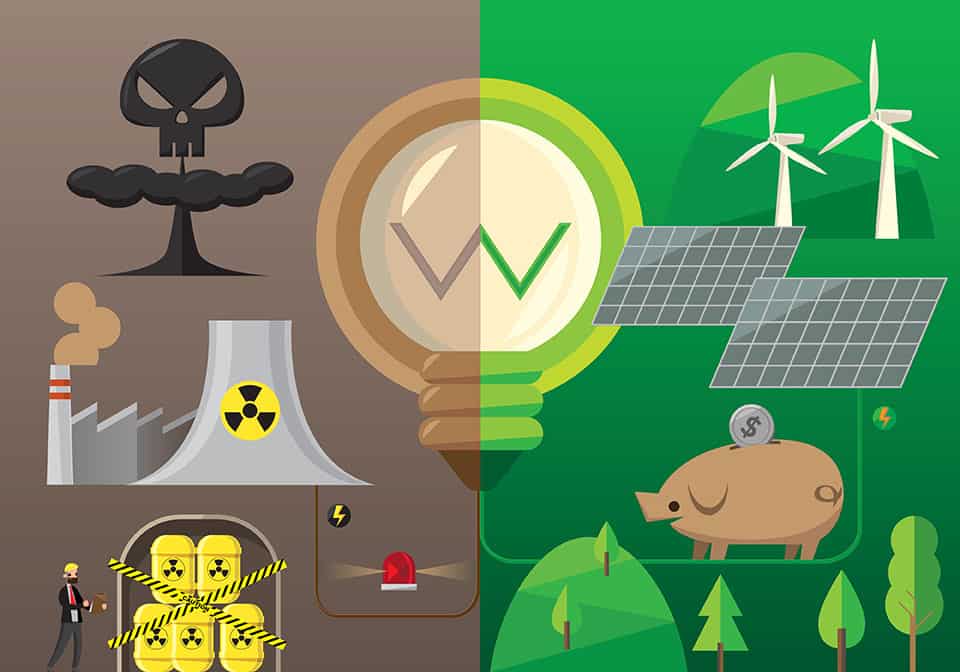
Pros and Cons of Solar Energy
Solar energy has gone from a niche technology to one of the fastest-growing power sources in the world. Homeowners, businesses, and governments are investing heavily in solar because it offers cleaner electricity and long-term savings.
But solar energy is not perfect. It has advantages, limitations, hidden costs, and practical challenges that many marketing ads ignore.
What Is Solar Energy?
Solar energy is electricity or heat generated from sunlight.
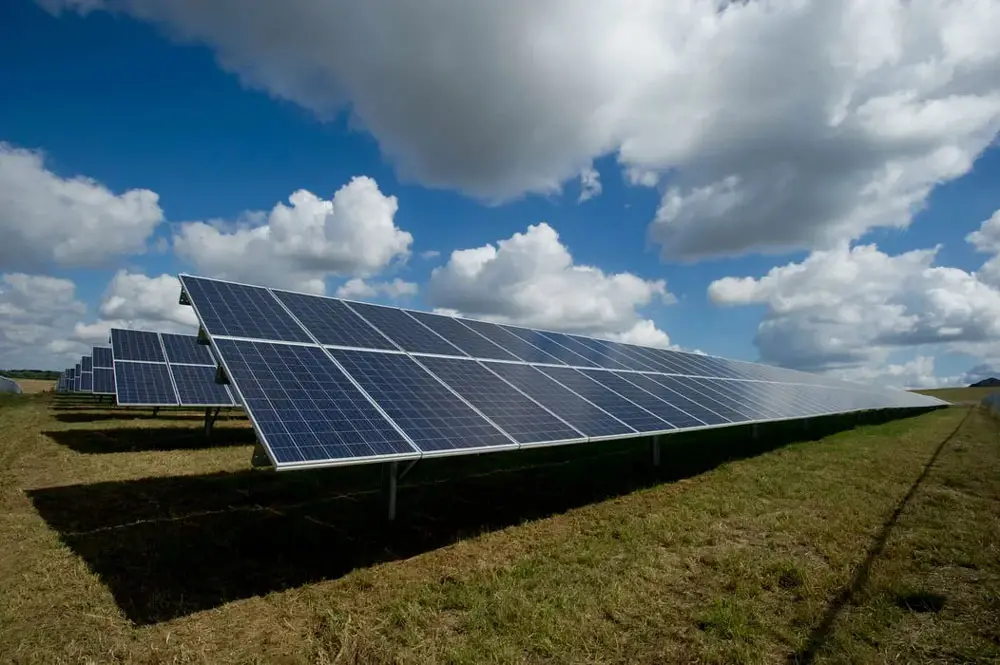
The most common type is photovoltaic (PV) solar panels, which convert sunlight directly into electricity using semiconductor cells.
Main solar technologies include:
- Residential rooftop solar
- Commercial solar systems
- Solar farms
- Portable solar generators
- Solar water heating systems
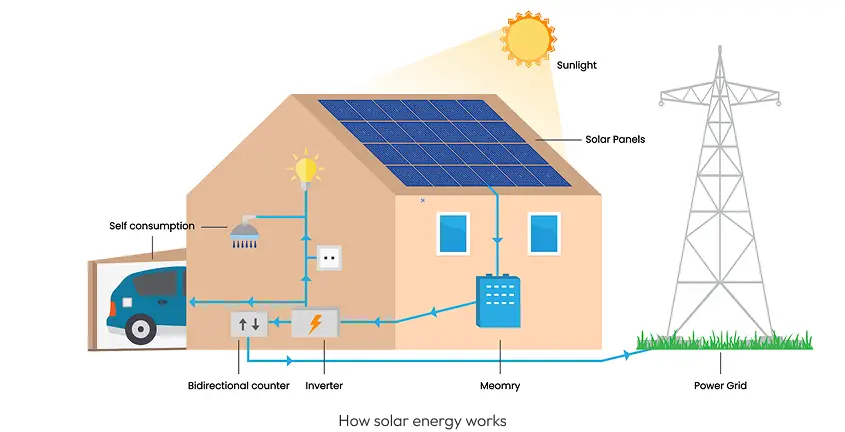
How Solar Panels Work
Solar panels absorb sunlight using photovoltaic cells.
The process works like this:
- Sunlight hits the solar cells
- Electrons become energized
- Electric current is generated
- An inverter converts DC power into AC electricity
- Your home uses the electricity
Extra electricity may:
- Charge batteries
- Be sent back to the grid
- Earn energy credits in some countries
Main Types of Solar Panels
1. Monocrystalline Solar Panels
Most efficient and premium option.
Pros
- High efficiency
- Long lifespan
- Better performance in heat
- Sleek black appearance
Cons
- More expensive
2. Polycrystalline Solar Panels
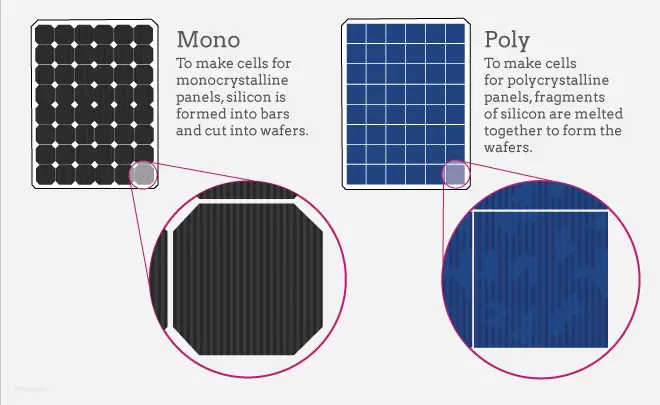
Older and cheaper technology.
Pros
- Lower upfront cost
Cons
- Lower efficiency
- Less space-efficient
. Thin-Film Solar Panels
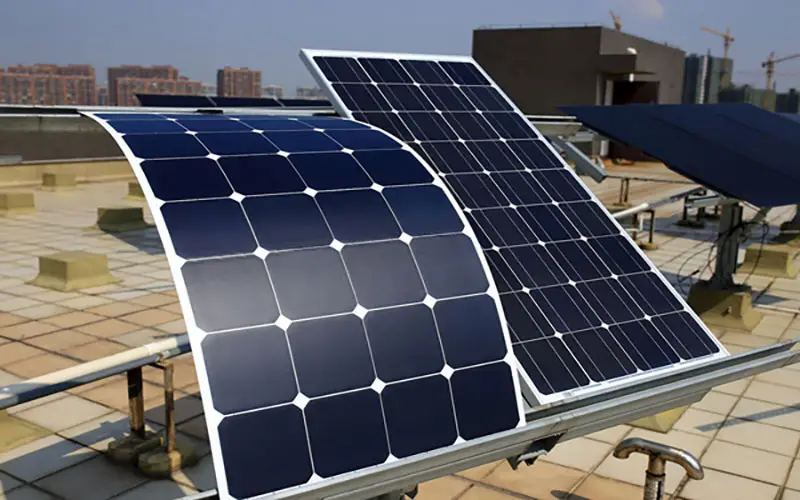
Flexible and lightweight.
Pros
- Portable
- Lightweight
- Useful for special applications
Cons
- Lower efficiency
- Shorter lifespan
Pros of Solar Energy
1. Renewable Energy Source
Solar power comes from sunlight, which is effectively unlimited.
Unlike coal, oil, or gas:
- It does not run out
- It does not require fuel extraction
- It reduces dependence on fossil fuels
2. Lower Electricity Bills
One of the biggest reasons people install solar.
A properly sized system can:
- Offset most electricity usage
- Reduce monthly utility costs
- Protect against rising energy prices
Savings depend on:
- Sun exposure
- Electricity rates
- System size
- Local incentives
3. Environmentally Friendly
Solar energy produces electricity without:
- Air pollution
- Carbon emissions during operation
- Noise pollution
Benefits include:
- Reduced greenhouse gas emissions
- Lower reliance on coal plants
- Cleaner air quality
4. Low Operating Costs
After installation:
- Maintenance is minimal
- No fuel costs
- Panels usually last 25–30 years
Typical maintenance includes:
- Cleaning dirt or snow
- Occasional inspections
- Inverter replacement after 10–15 years
5. Energy Independence
Solar can reduce dependence on:
- Utility companies
- Imported fuels
- Unstable energy prices
With battery storage, homes may continue operating during outages.
6. Increased Home Value
Many buyers view solar panels as a valuable upgrade.
Potential benefits:
- Lower future energy costs
- Eco-friendly appeal
- Faster resale in some markets
7. Scalability
Solar systems can range from:
- Small portable chargers
- RV systems
- Home rooftops
- Large commercial installations
This flexibility makes solar useful in many situations.
Cons of Solar Energy
1. High Upfront Costs
Initial installation can be expensive.
Costs may include:
- Solar panels
- Inverters
- Batteries
- Roof modifications
- Installation labor
- Permits
Battery systems especially increase total price significantly.
2. Weather Dependence
Solar production depends on sunlight.
Performance drops during:
- Cloudy weather
- Rain
- Snow
- Heavy shade
Solar still works on cloudy days, but output decreases.
3. Energy Storage Is Expensive
Without batteries:
- Solar only works well during daylight
- Excess energy may be wasted or exported
Battery storage improves independence but adds major cost.
4. Requires Roof Space
Rooftop solar needs:
- Adequate space
- Good sun exposure
- Proper roof angle
- Minimal shading
Not every home is suitable.
5. Manufacturing Environmental Impact
Although solar is clean during use, manufacturing involves:
- Mining raw materials
- Industrial energy consumption
- Chemical processing
However, solar generally produces far lower lifetime emissions than fossil fuels.
6. Efficiency Limitations
Most residential panels convert only about 18–23% of sunlight into electricity.
Factors reducing efficiency:
- Heat
- Dust
- Aging
- Shading
7. Inverter Replacement Costs
Solar panels last decades, but inverters usually need replacement earlier.
This can become a notable maintenance expense over time.
Solar Energy Pros vs Cons Table
| Pros | Cons |
|---|---|
| Renewable energy | High upfront cost |
| Lower electric bills | Weather dependent |
| Eco-friendly | Battery storage expensive |
| Low maintenance | Requires roof space |
| Long lifespan | Manufacturing impact |
| Energy independence | Efficiency limitations |
| Increases home value | Inverter replacement costs |
Are Solar Panels Worth It?
Solar is usually worth it if:
- Electricity prices are high
- Your roof gets strong sunlight
- You plan to stay in the home long-term
- Incentives or tax credits are available
Solar may be less attractive if:
- Your roof is heavily shaded
- Electricity is already cheap
- You move frequently
- Installation costs are extremely high
Solar Panels vs Traditional Electricity
| Feature | Solar Energy | Traditional Grid Power |
|---|---|---|
| Fuel Source | Sunlight | Fossil fuels/nuclear |
| Monthly Costs | Lower after installation | Ongoing utility bills |
| Environmental Impact | Low | Higher emissions |
| Reliability | Weather dependent | Usually stable |
| Upfront Cost | High | Low |
| Long-Term Savings | Potentially large | Limited |
How Long Do Solar Panels Last?
Typical lifespan:
- Solar panels: 25–30 years
- Inverters: 10–15 years
- Batteries: 5–15 years depending on type
Most panels gradually lose efficiency over time.
Common degradation:
- About 0.3%–0.8% per year
Solar Batteries: Are They Necessary?
Not always.
Without Batteries
- Lower cost
- Grid-connected systems use utility backup
With Batteries
- Backup power during outages
- More energy independence
- Better nighttime usage
But batteries significantly increase system cost.
Popular battery systems include:
- Tesla Powerwall
- EcoFlow storage systems
- Bluetti battery units
Maintenance Requirements
Solar systems are relatively low maintenance.
Typical care:
- Remove heavy dirt buildup
- Inspect cables occasionally
- Monitor inverter performance
- Trim nearby trees causing shade
In snowy climates, snow removal may help improve output.
Common Myths About Solar Energy
“Solar panels do not work in winter”
False.
Panels still generate electricity in winter if sunlight reaches them.
Cold temperatures can actually improve efficiency.
“Solar panels require constant maintenance”
False.
Most systems need very little maintenance.
“Solar makes homes completely off-grid automatically”
False.
Most residential systems remain connected to the utility grid unless battery systems are installed.
Best Situations for Solar Energy
Solar works best for:
- Sunny climates
- Homes with south-facing roofs
- Long-term homeowners
- Areas with expensive electricity
- Eco-conscious households
Who Should Avoid Solar?
Solar may not be ideal for:
- Renters
- Homes with major roof shading
- Short-term property owners
- Extremely low electricity users
Future of Solar Energy
Solar technology continues improving through:
- Better panel efficiency
- Lower manufacturing costs
- Improved battery technology
- Smart energy management systems
Many experts expect solar adoption to continue growing worldwide.
Final Verdict
Solar energy offers major long-term benefits:
- Lower energy bills
- Cleaner electricity
- Energy independence
- Reduced environmental impact
However, it also comes with:
- High upfront costs
- Weather limitations
- Battery expenses
- Space requirements
For many homeowners, solar becomes financially worthwhile over time, especially in sunny regions with high electricity costs and strong incentives.
The best approach is to evaluate:
- Your energy usage
- Roof conditions
- Local climate
- Utility prices
- Available incentives
before investing in a solar system.
READ ALSO: Blister pack recycling
