
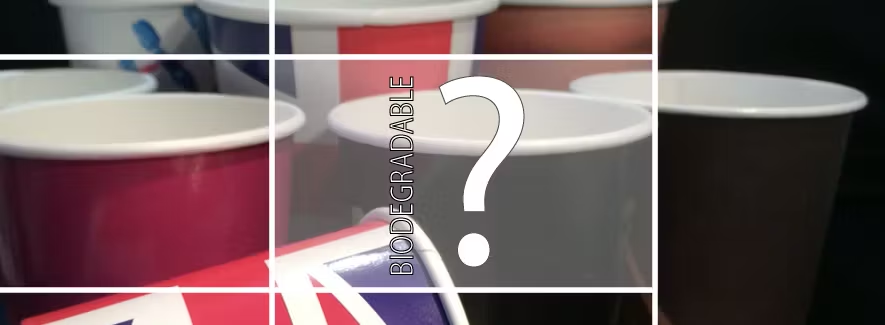
Disposable use and throw paper cups (also called single-use paper cups) are widely used for beverages such as coffee, tea, water, or soft drinks. They are common in cafes, offices, events, hospitals, and vending machines because they provide convenience and hygiene. This guide explains what they are, how they work, their pros and cons, environmental impact, and when they are the best choice.

What Are Use-and-Throw Paper Cups?
Use-and-throw paper cups are single-use beverage containers made primarily from paperboard. After one use, they are disposed of rather than washed and reused.
Most paper cups have:
- Paperboard exterior (for structure)
- Thin waterproof lining (usually polyethylene plastic or bioplastic) to prevent leakage.
This lining allows the cup to safely hold hot or cold liquids without soaking through the paper.
Types of Disposable Paper Cups
1. Single Wall Paper Cups

- Thin paper with one layer
- Used for cold drinks or water
- Cheapest option
2. Double Wall Paper Cups

- Two layers of paper
- Better insulation for hot beverages
3. Ripple Wall Cups

- Outer corrugated layer
- Better grip and heat insulation
4. PLA / Compostable Cups

- Coated with plant-based bioplastic instead of petroleum plastic
- Can be compostable in industrial facilities.
Main Advantages
1. Hygiene and Safety
Disposable cups ensure every user gets a clean cup, reducing contamination risks in public places.
2. Convenience
- No washing required
- Perfect for events, offices, and takeaway drinks.
3. Lightweight and Portable
Paper cups are easy to transport and store, making them ideal for cafes, festivals, and vending machines.
4. Renewable Raw Materials
Paper cups are made from wood pulp, a renewable resource.
5. Suitable for Hot Drinks
They insulate heat better than plastic cups and are commonly used for coffee and tea.
Disadvantages
1. Recycling Is Difficult
Most paper cups contain a plastic lining, making them difficult to recycle in standard paper recycling systems.
2. Environmental Waste
Billions of disposable cups are used yearly, and many end up in landfills.
3. Lower Durability
Paper cups can soften if liquid stays inside for too long or if the cup is poorly manufactured.
4. Production Footprint
Manufacturing paper cups requires water, energy, and wood resources.
Environmental Impact
Pros
- Paper is biodegradable and renewable.
- Waste management is easier compared with plastic.
Cons
- Plastic lining prevents full biodegradation.
- Recycling facilities often cannot separate the layers.
As a result, many used paper cups are incinerated or landfilled.
Paper Cups vs Plastic Cups
| Feature | Paper Cups | Plastic Cups |
|---|---|---|
| Eco-perception | More eco-friendly | Less eco-friendly |
| Durability | Medium | High |
| Recycling | Difficult due to lining | Easier in some systems |
| Hot drinks | Better | Not ideal |
| Cost | Usually higher | Cheaper |
Both options have environmental trade-offs depending on production and recycling infrastructure.
Common Uses
Disposable paper cups are widely used in:
- Coffee shops and takeaway beverages
- Offices and water dispensers
- Parties and events
- Hospitals and clinics
- Airlines and catering services
They are preferred where speed, hygiene, and convenience are more important than reuse.
Tips for Choosing Good Paper Cups
When buying disposable paper cups, consider:
✔ Material thickness (GSM) – thicker cups are stronger
✔ Double wall design for hot drinks
✔ Food-grade coating
✔ Compostable or PLA lining for better sustainability
✔ Leak-proof seams
Are Paper Cups Safe?
Paper cups are generally safe for beverages, but some research suggests that plastic-lined cups may release tiny amounts of microplastics when filled with very hot liquids.
This is why reusable mugs are sometimes recommended for frequent coffee drinkers.

✅ Final Verdict
Use-and-throw paper cups are extremely convenient and hygienic, making them ideal for takeaway drinks and large gatherings. However, they are not a perfect environmental solution because of plastic lining, recycling challenges, and large waste volumes.
Best use cases:
- Coffee shops
- Offices and events
- Travel and catering
Better alternative for daily use:
- Reusable mugs or stainless steel cups.
READ ALSO: Blister pack recycling
P.S: What sizes do disposable paper cups come in?
Common sizes include:
| Size | Typical Use |
|---|---|
| 4 oz | Espresso / samples |
| 6 oz | Small coffee |
| 8 oz | Standard coffee |
| 12 oz | Medium drinks |
| 16 oz | Large drinks |
| 20 oz | Extra-large beverages |
FAQs
Are paper cups better than plastic cups?
It depends on the situation. Paper cups are often seen as more environmentally friendly because they are made from renewable wood pulp. However, most paper cups contain a plastic lining that makes recycling difficult. Plastic cups are more durable but usually take longer to break down in the environment.
Are disposable paper cups recyclable?
Most standard paper cups are not easily recyclable in regular paper recycling systems because they contain a thin plastic lining. Some specialized recycling facilities can process them, but these are not available everywhere.
Are paper cups biodegradable?
The paper part of the cup is biodegradable, but the plastic lining inside prevents the cup from fully breaking down quickly. Compostable paper cups with PLA (plant-based lining) can biodegrade in industrial composting facilities.
Can paper cups hold hot drinks safely?
Yes. Paper cups are designed to hold hot beverages such as coffee, tea, and hot chocolate. Many cups have double-wall or ripple-wall insulation to protect hands from heat.
