
How Your Financial Choices Impact the Environment?
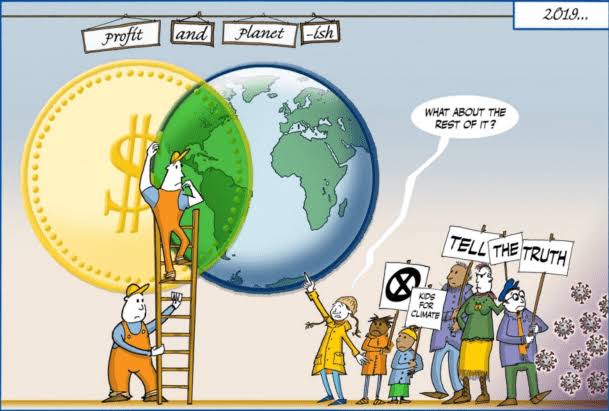
Money does more than pay for products and services—it also shapes industries, influences business practices, and affects the environment. Every purchase, investment, banking decision, and financial habit sends a signal about what consumers value. While one person’s choices may seem insignificant, millions of similar decisions collectively influence energy use, carbon emissions, resource consumption, and waste production.v
Why Financial Decisions Matter
Every dollar you spend supports a supply chain.
That supply chain includes:
- Raw material extraction
- Manufacturing
- Transportation
- Packaging
- Retail operations
- Waste management
Some industries produce relatively low environmental impacts, while others generate significant greenhouse gas emissions, pollution, or habitat destruction.
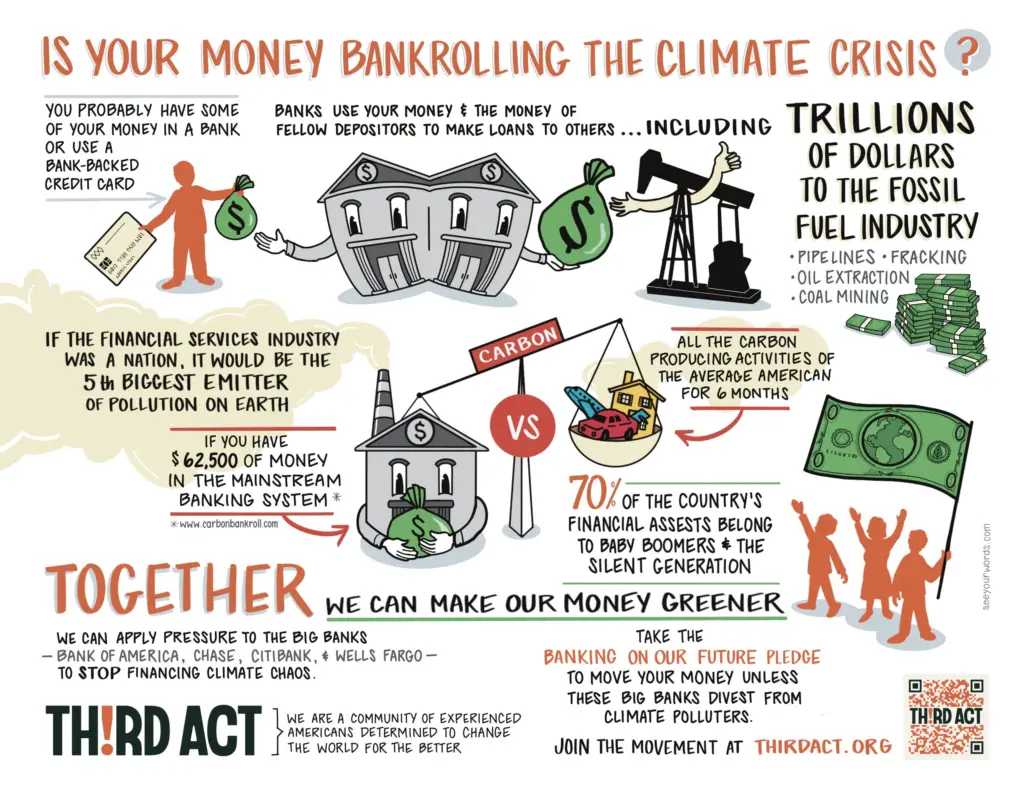
Financial institutions also influence the economy by deciding where capital flows. Banks, investment funds, and lenders finance everything from renewable energy projects to fossil fuel extraction.
Your money influences both sides:
- Consumption
- Investment
The Biggest Financial Choices That Affect the Environment
1. What You Buy
Purchasing decisions often have the largest environmental impact.
High-impact purchases include:
- Vehicles
- Electronics
- Home appliances
- Furniture
- Clothing
- Food
Questions to ask:
- Is it built to last?
- Can it be repaired?
- Is it energy efficient?
- Is it recyclable?
- Was it responsibly manufactured?
Often, buying fewer high-quality products creates less environmental impact than frequently replacing cheaper alternatives.
2. Transportation Spending
Transportation represents one of the largest contributors to household emissions.
Financial decisions include:
- Buying fuel-efficient vehicles
- Choosing electric vehicles where practical
- Using public transportation
- Carpooling
- Walking
- Cycling
Reducing unnecessary driving lowers:
- Fuel consumption
- Air pollution
- Carbon emissions
- Vehicle maintenance costs
3. Home Energy Investments
Home improvements can significantly reduce long-term environmental impact.
Examples include:
- Better insulation
- LED lighting
- Efficient HVAC systems
- Smart thermostats
- Energy-efficient windows
- Solar panels (where appropriate)
Although some upgrades require upfront investment, many lower utility bills over time.
4. Food Spending
Food production varies widely in environmental impact.
Factors include:
- Meat production
- Food waste
- Packaging
- Transportation
- Farming methods
Financial choices that may reduce environmental impact:
- Buying seasonal produce
- Purchasing local products when practical
- Reducing food waste
- Planning meals
- Choosing reusable containers
5. Fast Fashion vs. Durable Clothing
Fast fashion often involves:
- High water usage
- Large textile waste
- Frequent replacement
- Resource-intensive manufacturing
Buying fewer durable clothes or second-hand items can reduce waste and extend product lifecycles.
Banking Choices
Many people overlook how banks influence environmental outcomes.
Banks use deposited funds to finance loans for:
- Businesses
- Infrastructure
- Energy projects
- Real estate
- Agriculture
Some financial institutions publish sustainability reports describing environmental initiatives and lending practices.
When choosing a bank, some consumers consider:
- Environmental policies
- Sustainability commitments
- Transparency
- Responsible lending practices
Sustainable Investing
Investing allows individuals to support companies they believe are well-managed and positioned for long-term success.
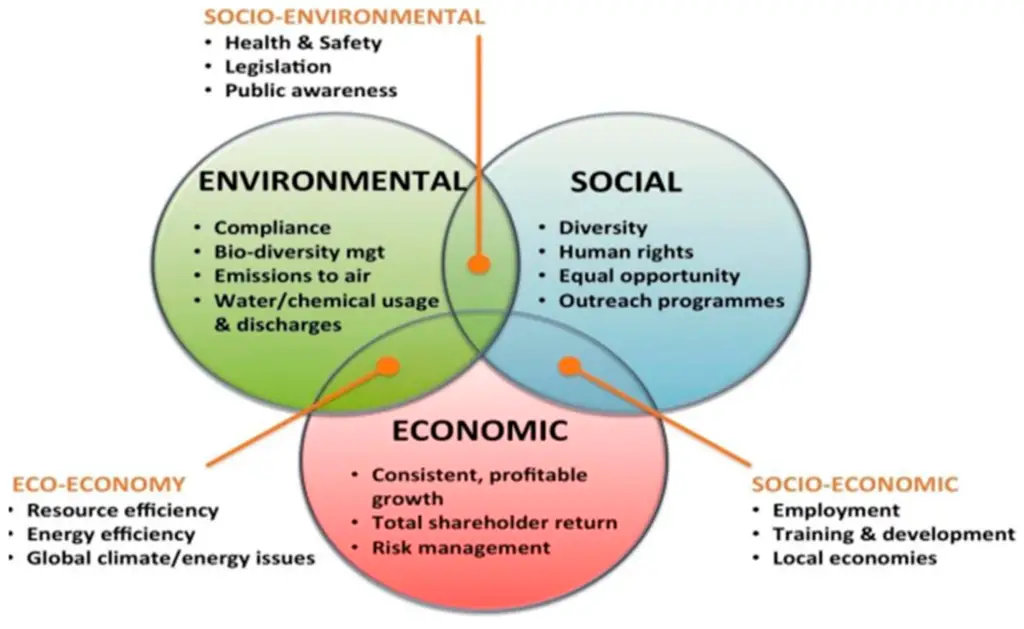
Some investors consider environmental, social, and governance (ESG) factors alongside traditional financial analysis.
Common approaches include:
ESG Investing
Evaluates companies based on:
- Environmental practices
- Labor standards
- Corporate governance
Impact Investing
Targets investments intended to produce measurable social or environmental outcomes while seeking financial returns.
Green Bonds
These bonds help finance projects such as:
- Renewable energy
- Clean transportation
- Energy efficiency
- Water infrastructure
It’s important to remember that no investment guarantees returns, and sustainability claims vary. Reviewing a fund’s holdings and objectives can provide a clearer picture than relying on labels alone.
Reducing Waste Through Spending
Financial discipline often aligns with sustainability.
Examples include:
- Repairing instead of replacing
- Renting infrequently used equipment
- Borrowing tools
- Buying second-hand
- Selling unwanted items
- Donating usable goods
These habits reduce:
- Manufacturing demand
- Landfill waste
- Resource extraction
Digital vs. Paper
Many financial services now offer:
- Electronic statements
- Digital receipts
- Online banking
- Mobile payments
Digital services may reduce paper use and transportation needs, though they also rely on energy-consuming data centers and electronic devices. The overall environmental impact depends on many factors, including energy sources and usage patterns.
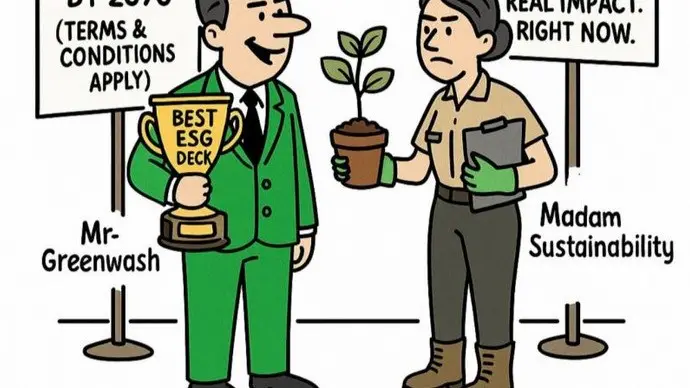
Avoiding Greenwashing
Some products advertise themselves as:
- Eco-friendly
- Green
- Sustainable
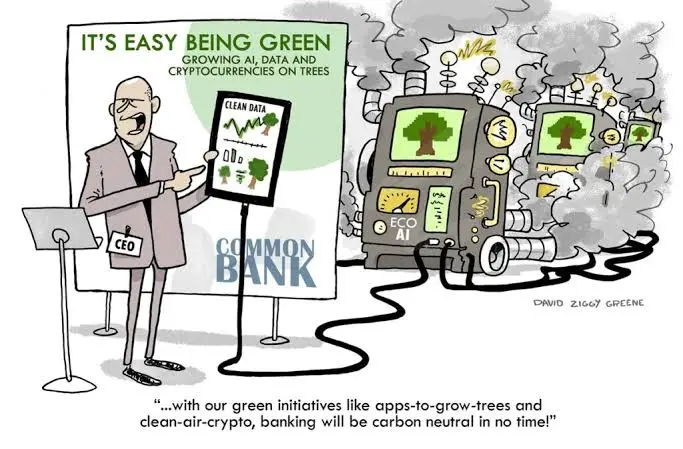
- Carbon neutral
Not all environmental claims are equally meaningful.
Look for:
- Independent certifications
- Transparent reporting
- Specific measurable goals
- Verified sustainability data
Be cautious of vague marketing language without supporting evidence.
Financial Benefits of Sustainable Choices
Many environmentally conscious decisions also save money over time.
Examples include:
| Choice | Potential Financial Benefit |
|---|---|
| LED lighting | Lower electricity bills |
| Efficient appliances | Reduced energy costs |
| Better insulation | Lower heating and cooling expenses |
| Public transportation | Reduced fuel and maintenance costs |
| Buying durable products | Fewer replacements |
| Meal planning | Less food waste |
| Repairing items | Lower replacement costs |
Common Misconceptions
“Sustainable living is always expensive.”
Not necessarily.
Many environmentally friendly habits—such as using less energy, reducing waste, repairing items, and buying only what you need—can lower overall spending.
“One person’s choices don’t matter.”
Individual actions alone won’t solve environmental challenges, but consumer demand influences markets. Businesses often respond to sustained changes in customer preferences.
“Eco-friendly products are always better.”
Environmental impact depends on the full product lifecycle, including manufacturing, transportation, durability, and disposal. A durable conventional product may sometimes have a lower overall impact than a short-lived “green” alternative.
Tips for Making More Sustainable Financial Decisions
- Buy quality products that last longer.
- Reduce unnecessary purchases.
- Compare energy efficiency before buying appliances.
- Maintain products to extend their lifespan.
- Reduce food waste through meal planning.
- Consider second-hand options when appropriate.
- Recycle responsibly according to local guidelines.
- Review your investments if environmental factors are important to you.
- Support companies with transparent sustainability practices.
- Balance environmental goals with your personal financial priorities.
Pros
- Can reduce long-term household expenses
- Encourages resource conservation
- May lower carbon emissions
- Supports companies with sustainable practices
- Promotes mindful consumption
- Often improves energy efficiency
- Helps reduce waste generation
Cons
- Some sustainable products cost more upfront
- Environmental claims can be difficult to verify
- Not all regions have equal access to sustainable options
- Investment choices involve financial risk
- Measuring personal environmental impact can be challenging
Final Review
Financial decisions extend beyond personal budgets—they influence businesses, industries, and environmental outcomes. Everyday choices such as what you buy, how you travel, where you bank, and how you invest can collectively shape demand for more sustainable products and practices.
The most effective approach is rarely about achieving perfection. Instead, it involves making informed, practical decisions that fit your financial situation while considering long-term environmental impacts. Small, consistent changes—such as reducing waste, improving energy efficiency, and purchasing durable goods—can benefit both your finances and the environment over time.
READ ALSO: How to start a compost pile at home?

My name is Ella Vicedomine and I’m the founder of this blog. The aim is to start this informational blog to guide people on how to dispose of waste things around in the house but in the right way.