
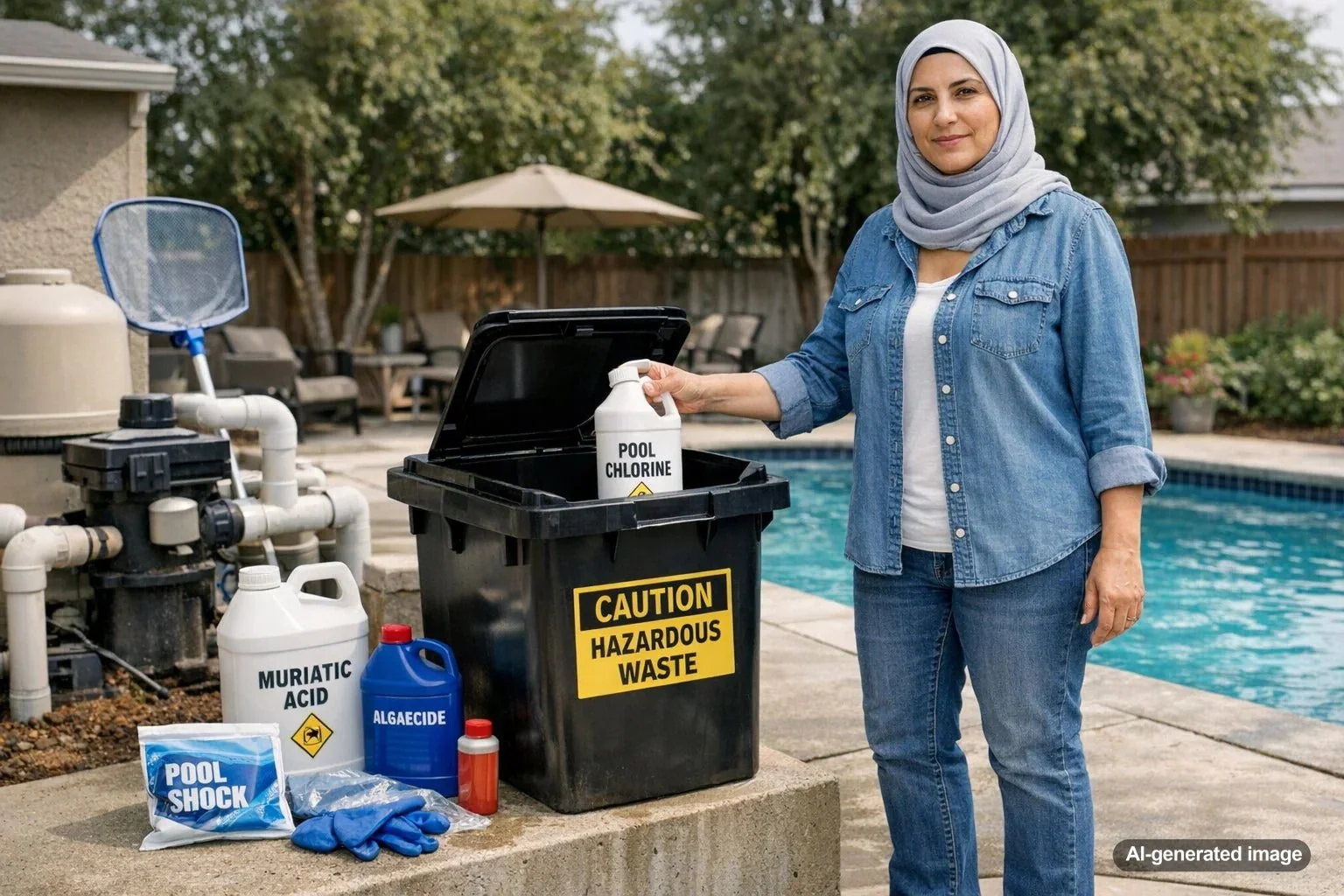
How to Dispose of Chlorine?
Chlorine is widely used to disinfect swimming pools, sanitize drinking water, and clean household surfaces. Although it is an effective disinfectant, improper chlorine disposal can create serious health hazards, damage plumbing, contaminate waterways, and release toxic gases.
Whether you have leftover pool chlorine, chlorine tablets, liquid bleach, or expired chlorine products, understanding how to dispose of them safely is essential.
The safest general method is to take unwanted concentrated chlorine products to an approved household hazardous waste (HHW) collection facility. Never mix chlorine products with other chemicals or pour concentrated pool chlorine into drains.
Understanding the Different Types of Chlorine
Before disposing of chlorine, identify the product you have. Different chlorine compounds have different chemical properties and disposal requirements.
| Type of chlorine | Common uses | Recommended disposal |
|---|---|---|
| Liquid pool chlorine (sodium hypochlorite) | Pool sanitizing | Hazardous waste facility or approved collection program |
| Chlorine tablets (trichlor) | Swimming pools and spas | Hazardous waste collection |
| Calcium hypochlorite | Pool shock treatments | Hazardous waste collection |
| Household chlorine bleach | Laundry and cleaning | Follow product label and local waste guidance; collection preferred for unwanted quantities |
| Chlorine granules | Pool maintenance | Hazardous waste collection |
| Chlorine gas | Industrial disinfection | Professional hazardous-materials handling only |
Pool chlorine products are often concentrated oxidizers. Incorrect handling can cause fires or release hazardous fumes.
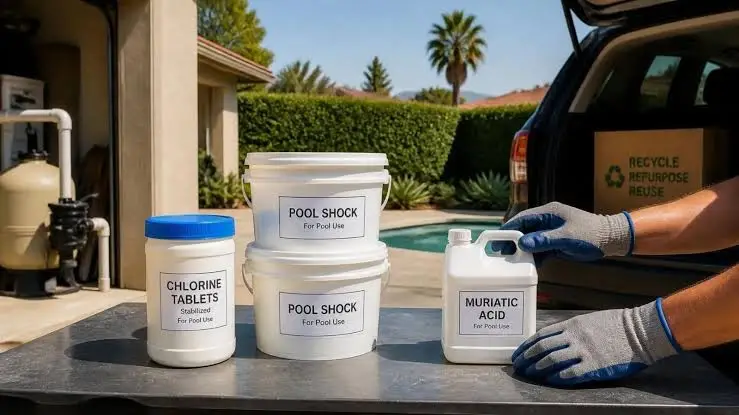
How to Dispose of Pool Chlorine Safely
Pool chlorine can come in liquid, tablet, or granular form. Because these chemicals can react violently with other substances, proper disposal is particularly important.
Step 1: Identify the chlorine product
Read the manufacturer’s label and check the active ingredients.
Common ingredients include:
- Sodium hypochlorite
- Calcium hypochlorite
- Trichloroisocyanuric acid (trichlor)
- Sodium dichloroisocyanurate (dichlor)
Keep the product in its original container whenever possible.
Step 2: Check the container’s condition
Inspect it without opening or disturbing the contents unnecessarily.
If the container is damaged, leaking, swelling, heating up, or producing strong fumes, avoid handling it and contact your local hazardous-materials response service.
Step 3: Find an authorized collection facility
Contact your local household hazardous waste collection center or municipal waste authority.
Ask whether it accepts your specific chlorine product, since collection programs may have restrictions.
Step 4: Prepare the product for disposal
If the original container is intact:
- Keep the chemical in its original labeled packaging.
- Make sure the lid is properly secured without forcing a damaged cap.
- Keep different chemical containers separated.
- Store the product in a cool, dry, secure location until collection.
- Follow the disposal facility’s instructions for transportation.
Do not combine leftover chlorine from different containers, even when their labels appear similar.
These precautions align with pool-chemical handling recommendations from public-health agencies.
How to Dispose of Chlorine Tablets
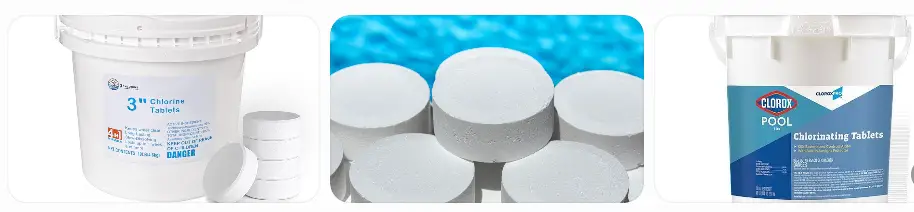
Chlorine tablets are commonly used in floating dispensers and automatic pool chlorinators.
They may contain trichlor or other concentrated disinfecting compounds.
The best way to dispose of unused chlorine tablets is through a hazardous waste collection program.
Do not:
- Throw unused tablets into household garbage.
- Crush or break tablets to make disposal easier.
- Dissolve tablets in a bucket simply to discard them.
- Mix old tablets with new pool chemicals.
- Burn or bury tablets.
- Put unused tablets in toilets, drains, or storm sewers.
If the tablets are still usable and their packaging is intact, using them for their original intended purpose according to the label may reduce waste. Otherwise, choose professional collection.
How to Dispose of Liquid Chlorine
Liquid chlorine used in swimming pools generally consists of a sodium hypochlorite solution.
Its concentration is often higher than that of ordinary household bleach.
Recommended method
Keep unwanted liquid pool chlorine in its original labeled container and arrange disposal through an approved hazardous waste facility.
Do not mix it with vinegar, acids, ammonia, cleaning products, or other pool chemicals.
Can you pour liquid chlorine down the drain?
Not as a general disposal method. Concentrated chlorine solutions can interfere with wastewater treatment, harm septic systems, and react with chemicals already present in plumbing.
The US Environmental Protection Agency advises against disposing of household hazardous waste through drains, on the ground, or in storm sewers. US EPA+1
5. How to Dispose of Household Chlorine Bleach
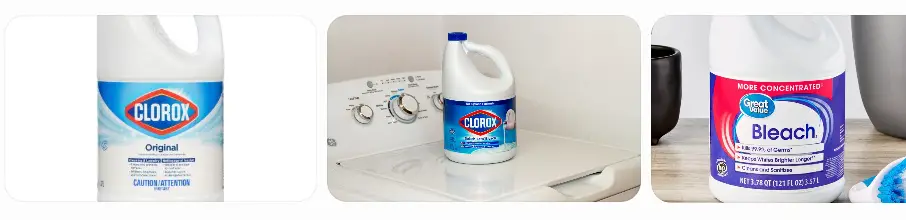
Household bleach usually contains sodium hypochlorite, often in concentrations around 5–9%, although formulations vary.
It is less concentrated than some pool-treatment products but still requires careful handling.
Small amounts of household bleach
The recommended approach is to use the product for its intended cleaning or disinfecting purpose, following its label.
If you no longer need it, check whether your local waste authority accepts bleach through its household chemical collection program.
Some municipalities permit disposal of small quantities of ordinary household bleach under specific conditions, but rules vary. Do not assume that pouring it into a sink, toilet, septic system, or outdoor drain is acceptable.
Large amounts of household bleach
If you have several bottles, commercial-strength bleach, or an unknown concentration, contact a hazardous waste collection service.
Avoid attempting to neutralize or chemically treat the bleach yourself.
Expired bleach
Over time, sodium hypochlorite breaks down and becomes less effective as a disinfectant.
Expired bleach should not be relied upon for applications requiring a verified disinfectant concentration. It still needs to be handled as a chemical product.
Can You Pour Chlorine Down the Drain?
The answer depends on the product, concentration, and local wastewater regulations.
| Disposal location | Is it recommended? | Explanation |
|---|---|---|
| Kitchen sink | Generally no for unwanted concentrated chlorine | Potential chemical reactions and wastewater impacts |
| Toilet | Generally no | May react with toilet cleaners and affect septic systems |
| Storm drain | No | Often discharges into the environment |
| Garden or soil | No | May damage plants and soil organisms |
| Household garbage | No for unused concentrated pool chemicals | Risk of reactions, leaks, or exposure |
| Hazardous waste facility | Yes, if accepted | Designed for controlled chemical collection |
Routine disposal of properly diluted cleaning solutions used as directed is different from pouring away unused, concentrated chemicals.
Always follow the specific product label and local disposal requirements.
How to Dispose of Expired Chlorine
Chlorine products can deteriorate during storage.
Humidity, heat, and improper packaging can affect their stability, and older pool chemicals may become more difficult to handle safely.
What should you do with expired chlorine?
- Check the label and expiration or manufacturing date.
- Inspect the outside of the container for deterioration.
- Do not open damaged or unstable containers.
- Keep different chemical products separate.
- Contact a hazardous waste facility for disposal instructions.
Do not try to restore expired chlorine by combining it with fresh chemicals.
How to Dispose of Chlorine Granules and Pool Shock
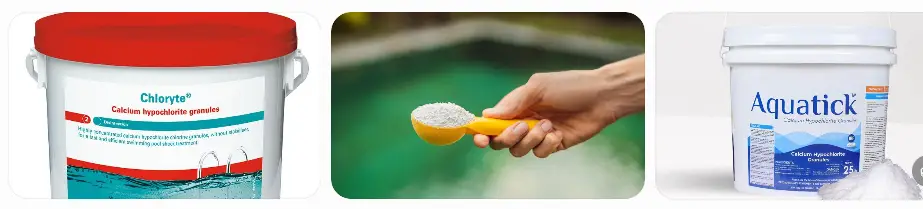
Pool shock products can contain concentrated calcium hypochlorite or other oxidizing compounds.
These chemicals are especially sensitive to contamination and improper storage.
Safe disposal guidelines
Keep unused pool shock in its original container and arrange authorized hazardous waste disposal.
Avoid allowing granules to contact oils, fuels, paper, sawdust, acids, or other incompatible materials.
Never attempt to make a chemical safer for disposal by adding water, vinegar, or another substance.
The CDC warns that improper mixing of pool chemicals can cause serious injuries, fires, and toxic gas releases.
How to Dispose of Chlorinated Swimming Pool Water
Disposing of pool water is different from disposing of unused chlorine chemicals.
Pool water may be discharged under certain conditions, depending on local wastewater regulations and the concentrations of chlorine and other treatment chemicals.
Before draining a pool:
- Stop adding chlorine and follow local dechlorination requirements.
- Test the water to confirm its chlorine concentration.
- Check pH and other relevant water-quality parameters.
- Verify whether discharge to a sanitary sewer or another designated area is authorized.
- Never discharge into a storm drain without explicit authorization.
Some municipalities permit controlled discharge of appropriately dechlorinated pool water, while others require additional precautions or permits.
Remember that chlorine is not the only concern. Pool water can also contain salt, algaecides, stabilizers, metals, or other chemicals.
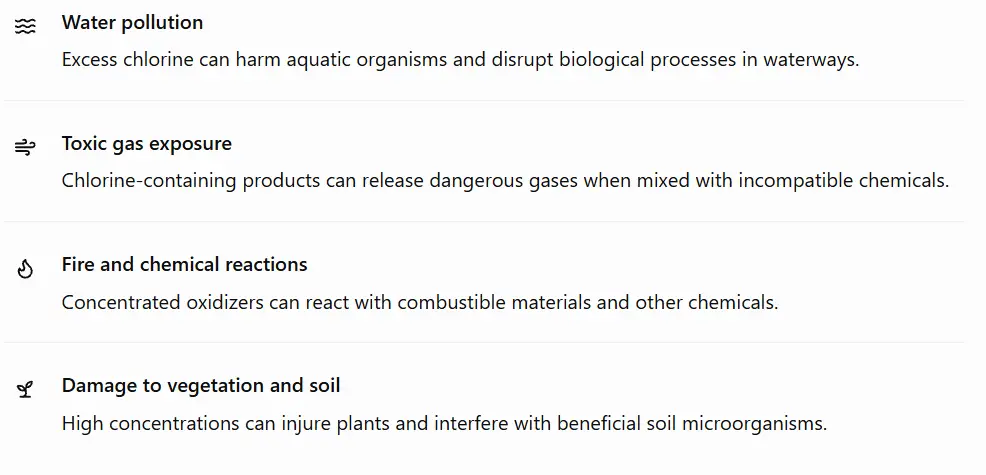
What Happens If Chlorine Is Disposed of Improperly?
Improper disposal may create several hazards.
Chlorine Chemicals You Should Never Mix
Some chemical combinations can release hazardous gases or cause violent reactions.
| Chemical combination | Potential danger |
|---|---|
| Chlorine bleach + ammonia | Toxic chloramine vapors |
| Chlorine bleach + acids or vinegar | Chlorine gas |
| Chlorine pool products + other pool chemicals | Fire, toxic gases, or violent reactions |
| Pool chlorine + oils or organic materials | Fire or accelerated chemical reactions |
| Different types of chlorine products | Dangerous reactions depending on formulation |
Never intentionally mix chemical products unless the manufacturer explicitly instructs you to do so.
If an accidental mixture produces fumes, leave the area immediately, keep others away, and contact emergency services. Do not attempt to neutralize the mixture.
The CDC provides additional advice on chlorine exposure and emergency response.
What to Do If Chlorine Spills
The correct response depends on the product, the amount spilled, and whether fumes are present.
For an unknown, concentrated, or reactive spill:
- Move people and pets away from the area.
- Avoid breathing vapors or dust.
- Do not touch the chemical or add water.
- Do not try to absorb it with household materials.
- Contact trained hazardous-materials responders for advice.
If chlorine gas is suspected, evacuate the affected area and call emergency services from a safe location.
For a small spill of ordinary household bleach, follow the manufacturer’s spill-cleanup instructions only when it is safe to do so and no other chemicals are involved.
Seek prompt medical attention for breathing problems, chest tightness, or significant eye or skin exposure.
Where to Dispose of Chlorine
The most appropriate disposal facility depends on your region.
Common options include municipal household hazardous waste collection centers, authorized chemical waste contractors, and approved community chemical-collection events.
In the United States, contact your city or county solid waste department and ask specifically about chlorine-containing pool chemicals.
Useful official references include:
- EPA Household Hazardous Waste
- CDC Pool Chemical Safety
- National Pesticide Information Center — Pool and Spa Chemicals
Outside the United States, consult your municipal waste authority or an authorized hazardous waste management company.
How to Store Chlorine Before Disposal
If immediate collection is unavailable, safe storage is important.
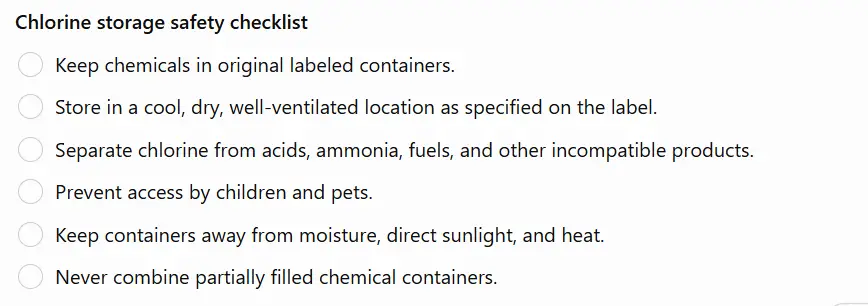
If a container is visibly compromised or its contents seem unstable, do not move or open it. Seek professional guidance.
Comparison: Best Chlorine Disposal Methods
The following comparison evaluates common methods based on general safety, environmental suitability, and practicality.
| Disposal method | Safety assessment | Overall review |
|---|---|---|
| Authorized hazardous waste facility | Excellent | Best option for unwanted concentrated chlorine |
| Approved chemical waste contractor | Excellent | Best for large or commercial quantities |
| Use for original intended purpose | Good when product is usable | Reduces waste when the label can be followed safely |
| Ordinary trash | Poor | Not recommended for unused pool chemicals |
| Pouring down drains | Poor | Not suitable as a general disposal method |
| Burning or burying | Dangerous | Never recommended |
| DIY chemical neutralization | Potentially dangerous | Not recommended for household disposal |
These are qualitative safety assessments, not laboratory test scores or rankings of particular disposal companies.
Final Verdict: What Is the Best Way to Dispose of Chlorine?
The best disposal method depends on the chemical formulation, but authorized hazardous waste collection is the safest general choice for unused, concentrated, expired, or unwanted chlorine products.
For household bleach, follow the product label and municipal guidance. For swimming pool tablets, shock, granules, and concentrated liquid chlorine, use an appropriate chemical waste collection program.
Most importantly, never attempt to make chlorine safe for disposal by mixing it with vinegar, ammonia, acids, or other cleaning chemicals.
Proper chlorine disposal protects your household, waste handlers, wastewater treatment facilities, and the environment.
READ ALSO: What Happens After You Recycle?
