
What is rubbish?
🔍 Simple Definition
Rubbish (British English) refers to waste or unwanted material that people throw away.
In American English, the same thing is usually called trash or garbage.In short:
👉 Rubbish = anything you no longer need and discard.
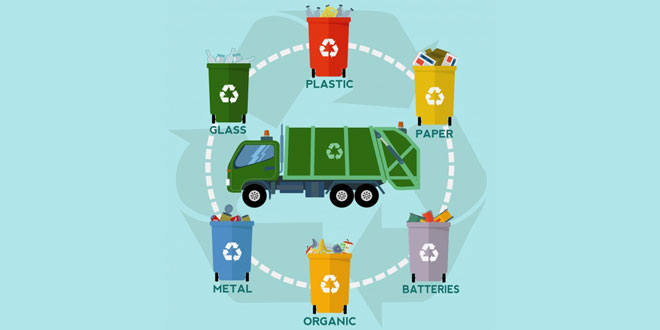
♻️ Types of Rubbish
1. Household Rubbish
Everyday waste from homes:
- Food scraps
- Packaging (plastic, paper, cardboard)
- Broken household items
2. Recyclable Rubbish
Waste that can be reused or processed:
- Paper & cardboard
- Glass bottles
- Aluminum cans
- Some plastics
3. Organic (Biodegradable) Rubbish
Naturally decomposes:
- Food waste
- Garden waste (leaves, grass)
Often used for composting 🌱
4. Hazardous Rubbish
Requires special handling:
- Batteries
- Paint & chemicals
- Electronics (e-waste)
- Medical waste
⚠️ Never throw these in regular bins.
5. Industrial & Construction Rubbish
- Concrete
- Metal scraps
- Wood
- Industrial byproducts
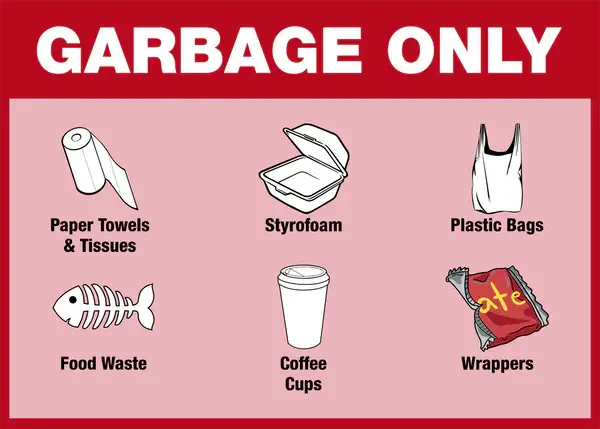
| Type of Rubbish | What it means | Common examples | Where it usually comes from | Main risks if handled wrong | Best disposal / treatment | Recycling notes | DO NOT do this | Quick sorting tips |
|---|---|---|---|---|---|---|---|---|
| General Waste (Residual / Non-recyclable) | Mixed waste that can’t be recycled or composted in standard programs | Dirty tissues, heavily soiled packaging, chip bags (often), broken ceramics, vacuum dust | Homes, offices, public bins | Landfill volume, litter, microplastics | Regular trash bin; in some places energy-from-waste incineration | Usually not recyclable due to mixed materials or contamination | Don’t put liquids in bags; don’t mix with recyclables to “hide” it | If it’s dirty/greasy and not compostable, it’s usually general waste |
| Food Waste | Edible/inedible organic leftovers | Leftovers, peels, bones, coffee grounds, expired food | Kitchens, restaurants | Odors, pests, methane in landfill | Compost / organics bin; municipal food-waste collection | Not “recycling,” but organic recovery | Don’t pour fats/oils into sinks; don’t bag in regular plastic if organics program requires compostable liners | Keep a small sealed caddy; empty often to reduce smell |
| Garden Waste (Yard Waste) | Plant-based outdoor waste | Leaves, grass clippings, branches, weeds | Yards, landscaping | Pests, invasive species spread | Yard waste bin, composting, mulching | Some cities turn it into compost/mulch | Don’t include soil/rocks; don’t dump weeds in nature | Let clippings dry a bit; bundle branches if required |
| Paper & Cardboard (Clean/Dry) | Fiber-based materials suitable for recycling | Boxes, newspapers, office paper, paper bags | Deliveries, offices, stores | Contamination ruins batches | Paper recycling | Clean cardboard is high-value; wet/greasy paper often rejected | Don’t recycle greasy pizza boxes (unless clean top portion) | Flatten boxes; keep paper dry |
| Plastics (Recyclable where accepted) | Plastic items that meet local recycling rules | Bottles, tubs, jugs, some trays | Food/drink packaging, cleaning products | Wildlife harm, microplastics, contamination | Plastics recycling if accepted; otherwise trash | Acceptance varies a lot (by resin, shape, local facility) | Don’t “wish-cycle” non-accepted plastics; don’t leave food residue | Rinse lightly, keep caps on if your program allows; check local list for films/foam |
| Metal (Aluminum/Steel) | Metal packaging and scrap items | Drink cans, food tins, clean foil, small metal lids | Kitchens, workplaces | Sharp edges, wasted resources | Metal recycling | Metals are highly recyclable; keep items mostly clean | Don’t include pressurized containers that aren’t empty | Crush cans to save space; rinse tins |
| Glass | Glass containers and jars (often) | Bottles, jars | Kitchens, bars | Breakage injuries; contamination if mixed incorrectly | Glass recycling or bottle banks | Some systems separate by color; some accept mixed | Don’t include ceramics, mirrors, window glass unless program says so | Rinse jars; remove non-glass parts if required |
| Textiles & Clothing | Wearable fabric items and household textiles | Clothes, shoes, linens, towels | Homes, retail | Landfill bulk; reuse value lost | Donate, textile collection, reuse, repair | Many areas recycle textiles into rags/insulation | Don’t donate moldy/wet items; don’t throw good clothing away | If usable: donate. If damaged: textile recycling if available |
| Bulky Waste (Large Items) | Oversized household items not suitable for regular bins | Furniture, mattresses, large plastic items | Moving, renovations | Illegal dumping; injury during handling | Bulky pickup, waste center, donation | Some components recycled (metal/wood) | Don’t leave on the street without scheduled pickup | Disassemble if possible; check pickup booking rules |
| Construction & Demolition (C&D) Waste | Debris from building/renovation | Concrete, bricks, drywall, wood, tiles | Renovations, construction sites | Dust/respiratory issues; illegal dumping | C&D recycling centers, licensed haulers | Often highly recyclable (aggregate, metals, wood) | Don’t mix with household recyclables | Separate clean wood/metal; keep hazardous materials out |
| E-Waste (Electronic Waste) | Discarded electronics and accessories | Phones, laptops, cables, chargers, routers, small appliances | Homes, offices | Toxic metals, data leakage | E-waste drop-off, manufacturer take-back | Valuable metals recoverable; data should be wiped | Don’t put electronics in trash; don’t donate devices with personal data | Back up + factory reset; remove batteries if required |
| Batteries (Household & Rechargeable) | Energy storage cells requiring special handling | AA/AAA, lithium-ion, power banks | Homes, tools, toys | Fire risk (especially lithium); chemical leaks | Battery recycling points | Often collected at stores/centers | Don’t throw in regular trash; don’t store loose lithium cells | Tape battery terminals; keep in a non-metal container until drop-off |
| Household Hazardous Waste (HHW) | Chemicals and toxic materials used at home | Paint, solvents, pesticides, bleach, cleaners, mercury items | Garages, sheds, kitchens | Poisoning, burns, water pollution | HHW collection events/centers | Some materials reclaimed; many neutralized safely | Don’t pour chemicals down drains; don’t mix chemicals | Keep original labels; store upright, sealed |
| Medical / Biohazard (Home) | Waste that may contain blood/pathogens or sharps | Needles, lancets, bandages with blood | Home healthcare | Infection risk, needle-stick injuries | Sharps container + approved drop-off | Rarely recycled due to contamination | Don’t put loose needles in trash | Use puncture-proof sharps container; label and seal |
| Sanitary Waste | Hygiene-related disposable items | Diapers, pads, wipes (even “flushable”) | Homes, childcare | Blocked pipes, contamination | General waste (or special services in some areas) | Usually not recyclable | Don’t flush wipes/pads; don’t mix with recyclables | Bag and seal; never flush “flushable” wipes |
| Cooking Oil & Grease | Used oils/fats that solidify or contaminate water | Frying oil, bacon fat | Kitchens, restaurants | Drain clogs, water pollution | Oil recycling points or sealed container in trash (if small) | Some cities convert to biodiesel | Don’t pour into sink/toilet | Cool → pour into bottle → drop-off if available |
| Animal Waste | Pet feces and soiled litter | Cat litter, dog waste bags | Homes, parks | Pathogens, water pollution | Usually general waste; some composting systems allow special handling | Typically not recycled | Don’t compost unless your system explicitly allows | Double-bag; keep away from recyclables/organics |
🌍 Why Rubbish Matters
Improper waste handling leads to:
- Environmental pollution 🌊
- Harm to wildlife 🐢
- Health risks for humans
- Overflowing landfills
Proper waste management helps:
- Reduce pollution
- Save natural resources
- Lower greenhouse gas emissions
🚮 What Happens to Rubbish?
- Collection – picked up from homes/businesses
- Sorting – recyclable vs non-recyclable
- Processing:
- Recycling
- Composting
- Incineration
- Landfill disposal
🧠 Common Rubbish Myths
❌ “All rubbish goes to landfill”
✅ Many materials are recycled or reused.
❌ “Recycling doesn’t matter”
✅ Recycling saves energy and raw materials.
❌ “Small waste doesn’t make a difference”
✅ Small daily habits scale to massive impact.
⭐ Review Summary
Pros of proper rubbish management
- Cleaner environment
- Better public health
- Resource efficiency
Cons of poor rubbish handling
- Pollution
- Health hazards
- Long-term environmental damage
Overall verdict:
🟢 Rubbish itself is unavoidable, but how we manage it makes all the difference.
💡 Quick Tips to Reduce Rubbish
- Use reusable bags and bottles
- Separate recyclables
- Compost food waste
- Avoid single-use plastics

FAQs
Is rubbish the same as garbage?
Mostly, yes — but usage differs:
Rubbish → common in the UK, Australia
Garbage / Trash → common in the USA
All refer to discarded waste.
What types of rubbish are there?
Household rubbish – everyday home waste
Recyclable rubbish – paper, glass, metal, some plastics
Organic rubbish – food and garden waste
Hazardous rubbish – batteries, chemicals, e-waste
Industrial rubbish – construction and factory waste
Can all rubbish be recycled?
❌ No.
Only certain materials can be recycled. Contaminated items (like greasy pizza boxes) often cannot be recycled.
What happens to rubbish after collection?
Rubbish is:
Collected by waste services
Sorted
Sent to:
Recycling facilities
Composting centers
Incinerators
Landfills
Why is rubbish bad for the environment?
Improper disposal causes:
Pollution of land and water
Harm to animals
Release of greenhouse gases
Long-term environmental damage
What is hazardous rubbish?
Hazardous rubbish includes items that can harm people or nature, such as:
Batteries
Paint and chemicals
Electronics
Medical waste
These require special disposal.
What is organic rubbish?
Organic rubbish is waste that naturally decomposes, such as:
Food scraps
Leaves and grass
It can often be composted instead of landfilled.
Does small rubbish really make a difference?
✅ Yes.
When millions of people reduce waste slightly, the environmental impact is huge.
Is “rubbish” ever used figuratively?
Yes. Informally, “rubbish” can mean something worthless or untrue:
“That idea is rubbish.”
READ ALSO: Blister pack recycling
